
Lawrence Charles Shepley, Antarctica |
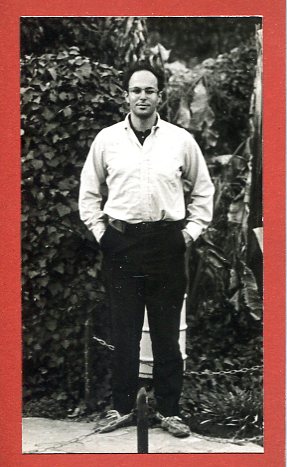 Lawrence Charles “Larry” Shepley was born August 11, 1939, in Washington D.C., to Jack Mandel and Ida Bernstein Shepley (family name was originally Schechtman). Larry’s father was a licensed civil, electrical, and structural engineer, who worked for the Federal Power Commission where he participated in the licensing of many of the large dams on US navigable rivers. He was awarded a Presidential Citation in 1965.
Larry attended Woodrow Wilson High School in Washington, DC where he excelled in science and mathematics. Larry graduated from Swarthmore College with a bachelor's degree in physics in 1961. He earned a master's degree and a doctorate in physics in 1963 and 1965 from Princeton University, where he studied under John Archibald Wheeler and Charles W. Misner. His dissertation was entitled, SO(3, R)-Homogeneous Cosmologies. Following a two-year post-doctoral fellowship at the University of California, Berkeley, under Abraham H. Taub, Larry joined the physics department at the University of Texas at Austin in 1967 as an assistant professor and was in 1970 promoted to associate professor. Larry served as the Associate Director of the Center for Relativity. In this position he mentored many Center graduate students and was always available to hear their complaints and to look after their interest.
He served the Physics Department in several capacities, as Vice-Chairman for Graduate Affairs and Graduate Adviser, as Associate Director of the Center for Relativity, as departmental Minority Liaison Officer, as the chair of the Teaching Assistants Committee, and in other advisory capacities. He was the Chairman of the Equal Opportunities Committee of the College of Natural Sciences. He taught classes at all levels, from basic freshman physics for non-science students to specialized graduate courses. His research interests centered on the theory of general relativity. He published over fifty articles in professional journals. In 1975, Larry co-authored with Michael Ryan a book entitled, Homogeneous Relativistic Cosmologies (Princeton University Press). In 1995 he and Richard Matzner published Classical Mechanics (Prentice Hall). Larry co-edited Spacetime and Geometry—The Alfred Schild Lectures (UT Press, 1982) with Professor Richard Matzner. In 1979, Larry and A. A. Strassenburg published Cosmology: Selected Reprints under the auspices of the American Association of Physics Teachers. With Richard Matzner, Larry edited Spacetime and Geometry–the Alfred Schild Lectures in 1982.
In addition, Professor Shepley served as a member of the organizing committee of the Texas Symposia an Relativistic Astrophysics, as an instructor at the Curso Centroamericano y del Caribe de Física, and as a member of the American Physical Society Committee on Civil Defense. He is the author or co-author of over 50 scholarly articles and four books. He was the Chair of nine PhD supervising committees, the co-chair of three others, and a member of 39 others. He was the co-chair of one MA committee and a member of eight others.
In 1975 Professor Shepley was among a number of politically active UT Austin professors who sued the University and then UT Austin President Lorene Rogers, alleging they were denied full salary increases for which they had been recommended, in retaliation for their political activities. (Shepley was active in TACT and AAUP at that time.) A Texas district court initially ruled in favor of the University, but an appeal that the group had been discriminated against, in regards to First Amendment faculty rights, was approved by the U.S. Fifth Circuit Court in 1981. However that court eventually found against Professor Shepley. With this outcome, Professor Shepley vowed not to cooperate with administration requirements at UT Austin. In particular he would not provide the extensive documentation required for advancement to Full Professor. He retired from The University of Texas at Austin in 1995 as an Associate Professor, and was only years later granted Emeritus status.
Though he retired in 1995, but he continued to be active. He was the Chair of the Texas Section of the American Physical Society and a State Contest Director of the University Interscholastic League. He continued to be a regular attendee of the physics colloquium, even as his health began to fail.
In 1995, Larry gave an interview to Kenneth W. Ford as part of the American Institute of Physics Oral Histories project. The subject of the interview was Professor John A. Wheeler. That interview can be found at Shepley's Wheeler Interview.
Larry was a longtime member of The Gilbert and Sullivan Society of Austin, serving as a board member and president. Larry loved to travel, visiting all continents, including Antarctica. He died of congestive heart failure on December 30, 2016. He is survived by his sister, Lona Piatigorsky, her husband, Joram, their two sons and their grandchildren, and by many friends. At his request, there will be no memorial service or ceremony and no solicitations in his memory. Larry's final sentiments, in his own style, were, "Farewell and Good Luck."
Acknowledgements: Thanks to Larry's sister, Lona and her husband, Joran Piatigorsky for sharing Larry's photo collection and information about his family. Richard Matzner, longtime friend and colleague, also contributed to this write-up. Thanks to Lois Mallory for proofreading this page. Finally, many of Larry's friends and colleagues kindly viewed his many photos and helped with identifications.
Larry C. Shepley Photo and Document Album |
|
|---|---|
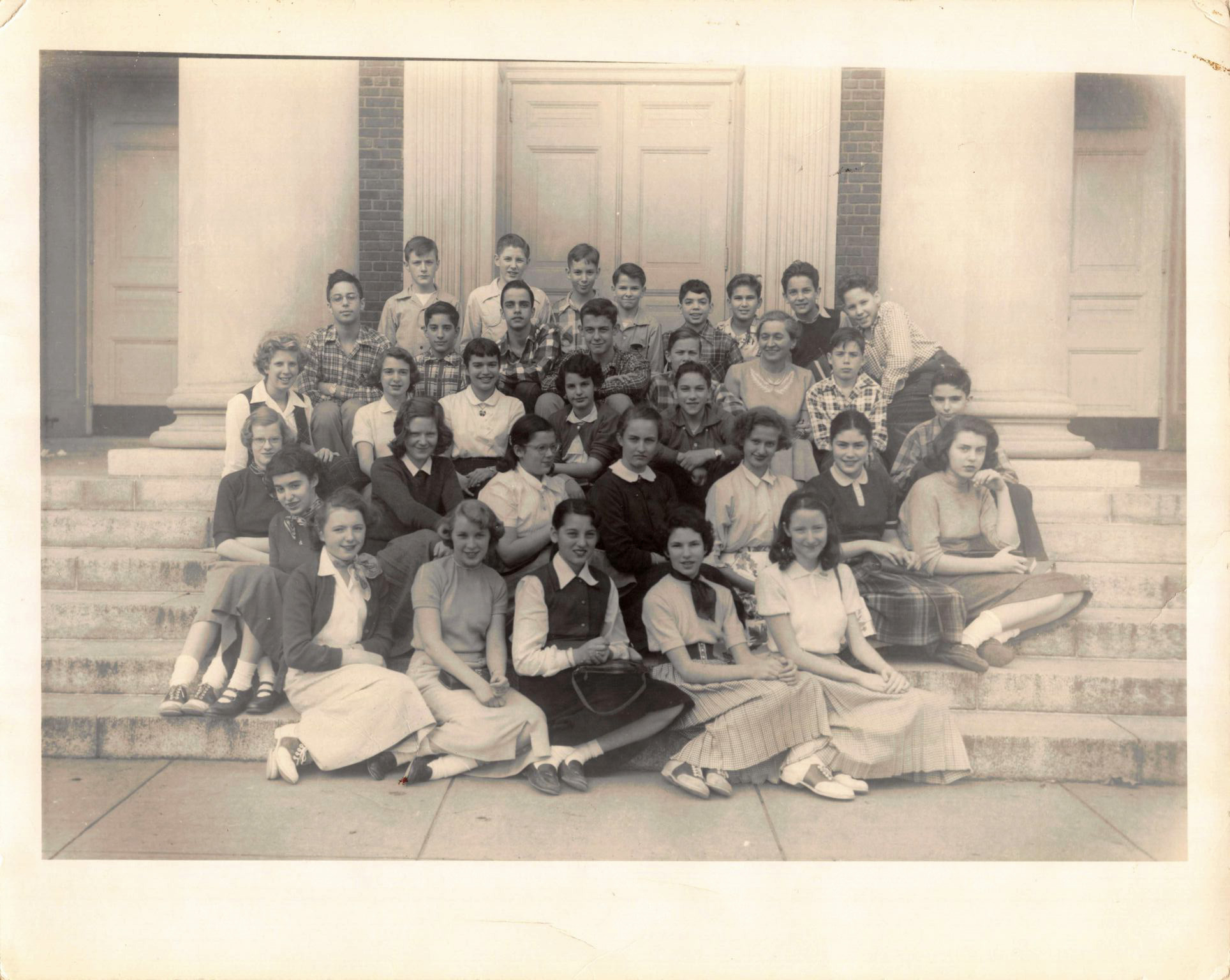
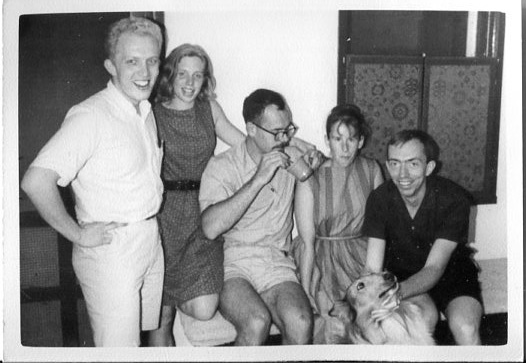
Back Row: ?, ?, Drew Berding?, Front Row: ?, ?, Judy Berman, ?, ? Names on the back: Joan Strinberg, Soma Golden, Pat Hubbard, Steve Goldman, Milford Schwartz, Ted Goldsmith, Tommy Norris, Carole Hanke, John Packs, Jay Simsarian, Manuel Sila or Tila, Isabel Davies, Arleen Mostow, Sandy Dalinsky, Rita Lea Freudberg, Drew Berding, Judy Berman, Andy? Harkness, Jane Kleinfeld, Dave McCullough, Dora Odorenko, Marta Miercey, Bob West, Stephen Cimmerman Larger Version with individual photos of some identified.
|
|
|
|
|
|
|
|
|
|

Gilbert and Sullivan Society Event |
|
|

|
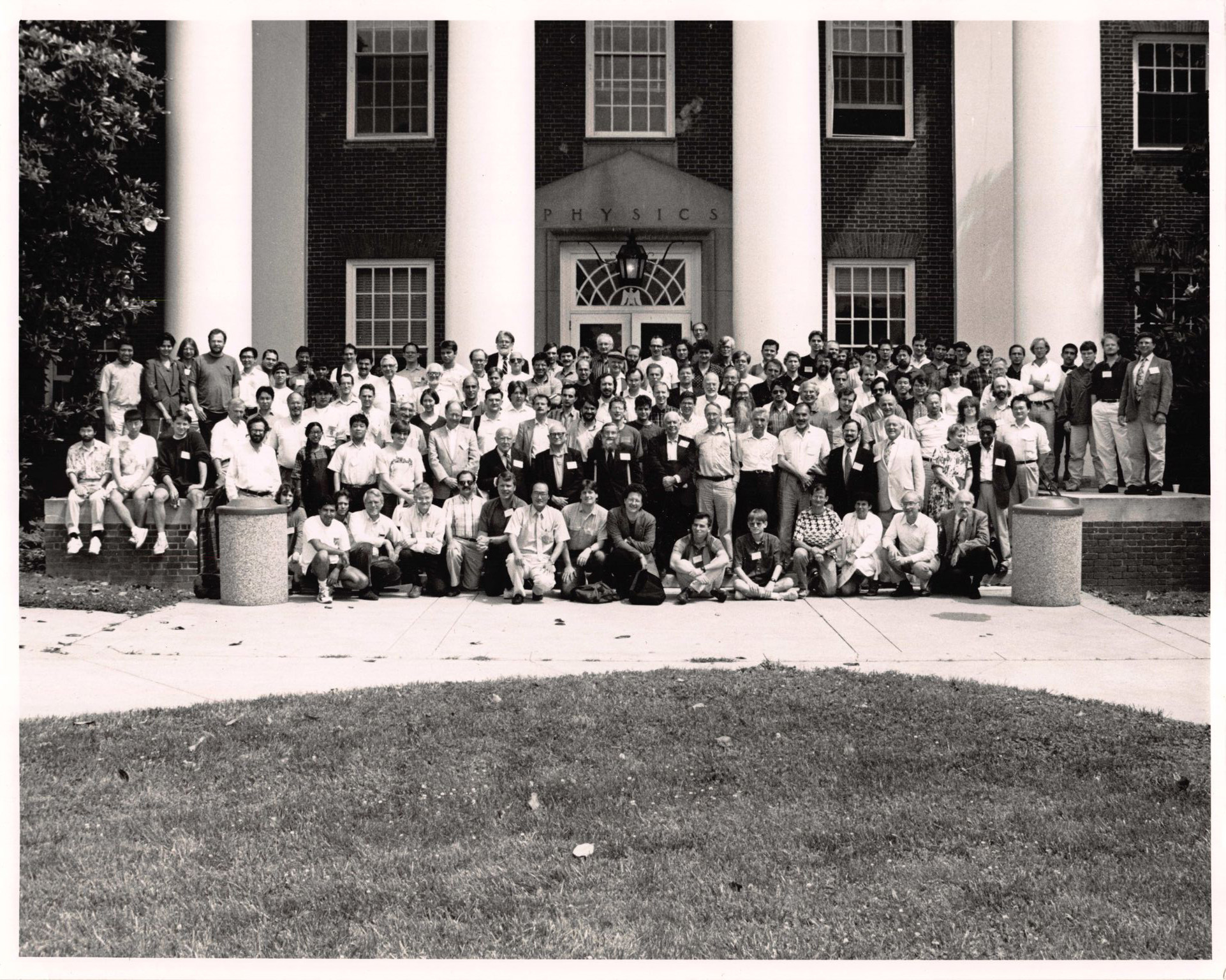
John Toll Physics Building, University of Maryland. Occasion unknown (maybe Charles Misner's 65 birthday celebration). Larry Shepley is fifth from left end in the third row. John Wheeler, sixth from left end of second row. Richard Matzner right end of front row. May Cécile Dewitt-Morette second from right on second row Bryce DeWitt, near middle of fourth row in white beard, to the left of man in very long beard. Charles Misner is seventh from right in second row. For a larger version of this photo click here-Large Version |
|
|
|

|
|

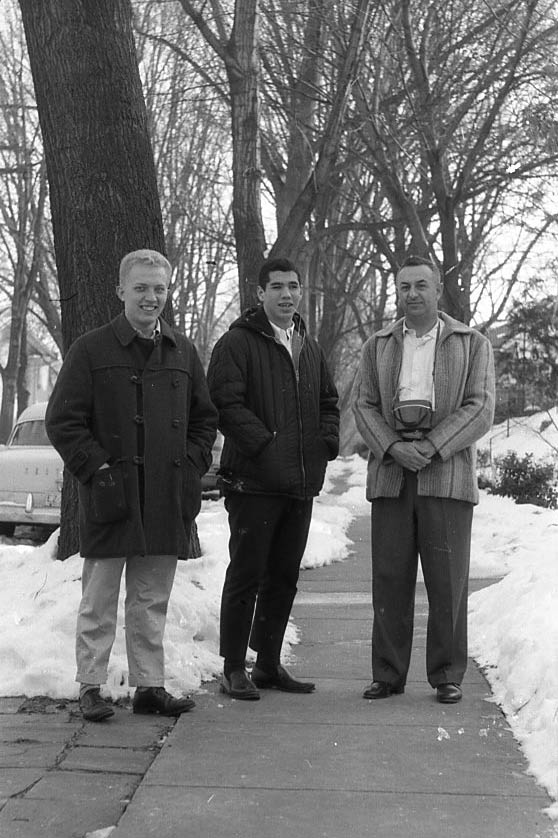
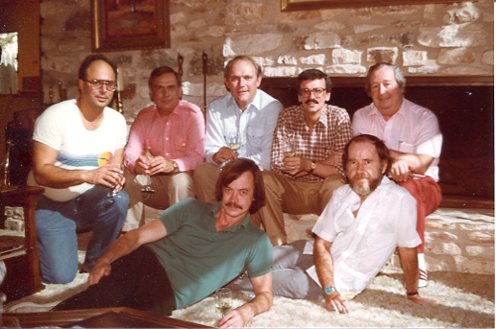
UT Center for Relativity, April 1978 (L to R) |
|
|
|
|
|

|
|

|
|

|
|

|
|
|
|
|
|
|
|

|
|
|
|
|
|
|
|
|
|
|

|
|
|
|

|
|
|

|

|
|
|
|

|

|
|
|

|
|

|

|
|

|

|

|
|

|

|
|

|
|
|
|
|

|
|
|
Larry C. Shepley's 1963 Les Houches Summer School Album
|
|||||||||||||||||||||||||||||||||
|---|---|---|---|---|---|---|---|---|---|---|---|---|---|---|---|---|---|---|---|---|---|---|---|---|---|---|---|---|---|---|---|---|---|
| |||||||||||||||||||||||||||||||||

|

|
||||||||||||||||||||||||||||||||

|
|
||||||||||||||||||||||||||||||||
|
|
||||||||||||||||||||||||||||||||

L to R: Kathy, Mark, John, Jane Heald, with Jon Rosner. Somehow I had learned that Larry, along with Swarthmore classmate Job Rosner, were at the Les Houches summer school." Mark with Charles Wharton (UCRL-Livermore, General Atomics, and Cornell) published a popular monograph, Plasma Diagnostics with Microwaves, in 1965 (Wiley; reissued by Krieger 1978). |
|
||||||||||||||||||||||||||||||||
|
|
||||||||||||||||||||||||||||||||
|

|
||||||||||||||||||||||||||||||||
|
|
||||||||||||||||||||||||||||||||
|
|
||||||||||||||||||||||||||||||||
|
|
||||||||||||||||||||||||||||||||
|
|
||||||||||||||||||||||||||||||||
|

|
||||||||||||||||||||||||||||||||
|
|
||||||||||||||||||||||||||||||||
|
|
||||||||||||||||||||||||||||||||
|

|
||||||||||||||||||||||||||||||||

|
|
||||||||||||||||||||||||||||||||
|
|||||||||||||||||||||||||||||||||
|
|||||||||||||||||||||||||||||||||
|
|
||||||||||||||||||||||||||||||||
|
|||||||||||||||||||||||||||||||||
Larry C. Shepley's 1963-64 Princeton-Swarthmore Album
Larry's photographs constitute a Who's Who of mathematices and physics, providing a window into a formative time in their lives. | |||||||||||||||||||||||||||||||||||||||||||||||||||||||||||||||||||||||
|---|---|---|---|---|---|---|---|---|---|---|---|---|---|---|---|---|---|---|---|---|---|---|---|---|---|---|---|---|---|---|---|---|---|---|---|---|---|---|---|---|---|---|---|---|---|---|---|---|---|---|---|---|---|---|---|---|---|---|---|---|---|---|---|---|---|---|---|---|---|---|---|
|
|
||||||||||||||||||||||||||||||||||||||||||||||||||||||||||||||||||||||
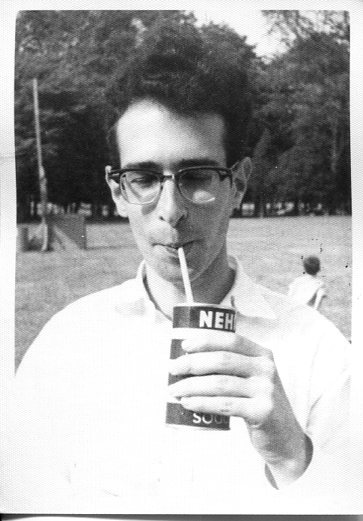
Alfred Schraff "Freddie" Goldhaber with Nehi Orange soda.
|
|
||||||||||||||||||||||||||||||||||||||||||||||||||||||||||||||||||||||
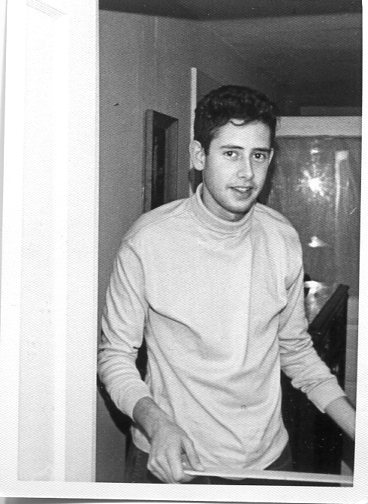
Jonathan L. "Jon" Rosner, 10/1964
Born: New York City, July 23, 1941 Wife: Joy (married June 13, 1965) Children: Hannah (born 1969), Benjamin (born 1979) Roosevelt High School, Yonkers, NY, 1958 (valedictorian) Swarthmore College, Swarthmore, PA, B. A. Physics, 1962 (highest honors) Princeton University, Princeton, NJ, M. A. Physics, 1963; Ph. D. Physics, 1965, advisor: S. B. Treiman. |

William "Bill" Faris, 1964
Many thanks to Bill for help with identifications. |
||||||||||||||||||||||||||||||||||||||||||||||||||||||||||||||||||||||
|

L to R, Harriet and Julian "Julie" Noble with daughter, Deborah Noble (Schlecht) ID from Dick Zacher,.
|
||||||||||||||||||||||||||||||||||||||||||||||||||||||||||||||||||||||

 L to R: Donna and Dave Curott, University of Northern Alabama. Dr. Curott is retired from the University of North Alabama, where he was a Professor of Physics and the Planetarium Director. He serves on the Florence Historical Board and the Natchez Trace Genealogical Society Board. He is the treasurer of the Friends of the Florence-Lauderdale Public Library. Dr. Curott is also the author of Signs of the Past. L to R: Donna and Dave Curott, University of Northern Alabama. Dr. Curott is retired from the University of North Alabama, where he was a Professor of Physics and the Planetarium Director. He serves on the Florence Historical Board and the Natchez Trace Genealogical Society Board. He is the treasurer of the Friends of the Florence-Lauderdale Public Library. Dr. Curott is also the author of Signs of the Past. |

 L to R, Unknown2 and Henry Don Isaac Abarbanel. Henry received his B.S. in physics from Caltech and his Ph.D. in physics from Princeton University, thesis entitled "Investigations in the dispersion theoretic perturbation series." He has served on the faculties at Princeton, Stanford, Northwestern, the University of Chicago, UC Berkeley, UC Santa Cruz and, since 1982, at UC San Diego. He was Director of the Institute for Nonlinear Science (1986-2007). He presently has appointments as professor of physics at UC San Diego and research physicist at the Marine Physical Laboratory, Scripps Institution of Oceanography. L to R, Unknown2 and Henry Don Isaac Abarbanel. Henry received his B.S. in physics from Caltech and his Ph.D. in physics from Princeton University, thesis entitled "Investigations in the dispersion theoretic perturbation series." He has served on the faculties at Princeton, Stanford, Northwestern, the University of Chicago, UC Berkeley, UC Santa Cruz and, since 1982, at UC San Diego. He was Director of the Institute for Nonlinear Science (1986-2007). He presently has appointments as professor of physics at UC San Diego and research physicist at the Marine Physical Laboratory, Scripps Institution of Oceanography. |
||||||||||||||||||||||||||||||||||||||||||||||||||||||||||||||||||||||
|
|
||||||||||||||||||||||||||||||||||||||||||||||||||||||||||||||||||||||

Maurice Jacques Bazin (1934 -2009)
Until 1975, he was a professor at Princeton and Rutgers Universities (USA). Coordinated training workshops for science teachers in several countries in Latin America and Africa through UNESCO. In the '70s and' 80s he was a correspondent for Nature magazine, in Portugal and Brazil. In the 1980s, he was a professor at the Department of Physics of the Catholic University of Rio de Janeiro, where he collaborated intensively with Professor Pierre Lucie, dedicating himself to improving the basic physics teaching system. He was a pioneer in scientific divulgation, having participated actively in the foundation of the first interactive museum of Sciences of Rio de Janeiro, Espaço Ciência Viva. In the 1990s he distributed his time between the Teacher Institute of Exploratorium, the Community Science Offices in California and Brazil, where he organized trainings of science teachers and participated in the magazine Ciência Hoje das Crianças. He was also a member of the Scientific Committee of the Pavilion of Knowledge - Centro Ciência Viva de Lisboa, Portugal. He collaborated with the newspaper A Noticia de Santa Catarina and in the newspaper of the community of Campeche where he was also director of education and culture of the Association of Residents (AMOCAM). As a consultant to the Socioenvironmental Institute (ISA), he advised the indigenous peoples of the Upper Rio Negro in the re-encounter of their ethnomathematics. Member of the Institute of Language Policy (IPOL) has advised the program of Education of Young and Adults (EJA) of the Municipality of Florianópolis. Until the end of his life, his ever-present interests for a more just society and a viable world for all, led him to interact strongly in both the educational systems and his immediate surroundings, involved with community problems. Returning to Rio de Janeiro, he again actively collaborated with Espaço Ciência Viva and gave advice to physics teachers at the National Institute of the Mute Deaf. His friends and alumni will always remember his smiling, always intense, active friend Maurice, whose multiple interests led him to interact and participate in so many successful socio-educational projects. He passed away in Rio de Janeiro, due to heart problems and leaves three children and a teenage daughter. |

L to R: Unknown3, Unknown4. Bob Harrington From Swarthmore and UT Austin. ROBERT SUTTON HARRINGTON, 1942-1993
Robert (Bob) Harrington died on Jan. 23, 1993 after a short, but determined, battle against esophageal cancer. He left his wife, Betty, two daughters, a sister, and his parents. Bob was born near Newport News, VA. His father was an archaeologist, and Bob often recounted going on "digs" with his family in the States. He attended schools in Richmond, VA, and graduated from Thomas Jefferson High School there in 1960. Afterwards, he went to Swarthmore College, (previously attended by his mother and aunt and uncle). Bob stated that he was interested in astronomy from such an early age that he couldn't remember the onset. At Swarthmore he naturally came under the influence of Peter van de Kamp and Sara Lippincott of Sproul Observatory, and consequently was well-schooled in the classical techniques of photographic astrometry, including observing with the 60cm refractor, as well as measuring and reducing the results. His first published scientific paper (jointly with van de Kamp) was a study of the quintuple system Xi Scorpii. In 1962 Bob accompanied van de Kamp to a summer institute at Wesleyan University, where he performed the duties of a teaching assistant, and where he met W.H. Jeffreys, then a graduate student, who was soon to become Bob's thesis advisor. Following his 1964 graduation from Swarthmore with a B.A. in Physics, Bob enrolled in the graduate program in astronomy at the University of Texas in Austin. There his interests quickly turned to theoretical dynamical astronomy under the tutelage of Jeffreys. While Bob retained a strong interest in this subject throughout his entire career, he made many contributions to other astronomical fields, and, in addition to Jefferys, was especially influenced at Texas by H. Smith and D. Evans. Following the award of his doctorate in 1967, Bob applied for a job with the Nautical Almanac Office of the U.S. Naval Observatory, because, as he explained, that organization represented interests closest to his own. Unfortunately, the Nautical Almanac Office had no positions available, but V.M. Blanco, then director of the Astrometry and Astrophysics Division, quickly offered him a position. He remained in this organization and its successors throughout the rest of his career. Bob initially took part in the routine photographic double star program, and also observed asteroids with the 38cm astrograph. Bob was married in 1976 to Betty-Jean Maycock, who holds a doctorate from the University of Maryland, as well as being an Olympic gymnast (Rome, 1960), and a gold medalist in the goodwill competition in Moscow in 1961. Two daughters, Amy and Ann, were born of the union. Undoubtedly, if asked, Bob would point to his work in dynamical astronomy as being not only his most significant contribution, but also as being the most fun. Beginning with his very first paper, and continuing until nearly his last, Bob was concerned with the dynamical interactions in multiple star systems. The extensive numerical integrations required by this work entailed use of a great amount of computer time on the slow machines then available. Consequently, Bob often was found loading programs or retrieving results at all hours of the night or day, as well as on weekends and holidays. Within a few years of his arrival, Bob was put in charge of the plate measurements and reductions for the extensive parallax program being carried out with the 155cm reflector in Flagstaff, and therefore was a coauthor of many series of publications dealing with parallaxes and proper motions of faint stars. Today this effort largely defines both the lower main and white dwarf sequences of the HR diagram. An important by-product of this work was the detection of a number of unseen companions through their perturbations of the visible stars. Considerations on the stability of the solar system led Bob to collaborate with T.C. Van Flandern in studies of the dynamical evolution of its satellites, and to an eventual search for "Planet X", conjectured to lie beyond Pluto and to be responsible for small, unexplained, residuals in the orbits of Uranus and Neptune. Late in his career Bob seemed quite skeptical of such an object, however. Nevertheless, the program instituted at Flagstaff to photograph the outer planets and their satellites led to the spectacular discovery in 1978, by J.W. Christy, of Pluto's satellite. Bob's inspired guess that the period of revolution matched the already known period of light variation resulted in rapid determination of the orbital elements, and hence the mass of both planet and satellite. Bob's eclectic astronomical interests led to papers on galaxies, sunspot areas, solar-wind flows, archaeoastronomy, earth tides, distribution of comet orbits, positions of minor planets, and even the geodetic coordinates of the Cerro Tololo Inter-American Observatory. He served as a joint editor of four books, was a member of the AAS, the IAU (where he served on four commissions), the Planetary Society, and the Society of Sigma Xi. He also served on the astrometry team for the International Halley Watch, and on the local organizing committee for the 20th General Assembly of the IAU. Although he accepted administrative duties in his later years, Bob was not very comfortable doing bureaucratic work. He was much happier doing science, and was always a cheerful and helpful influence on his colleagues. He was a popular speaker about astronomy in his local school system, as evinced by the many teachers from there that attended his funeral. Those of us who worked with him know we were privileged, and we shall miss him. Charles E. Worley
|
||||||||||||||||||||||||||||||||||||||||||||||||||||||||||||||||||||||

|
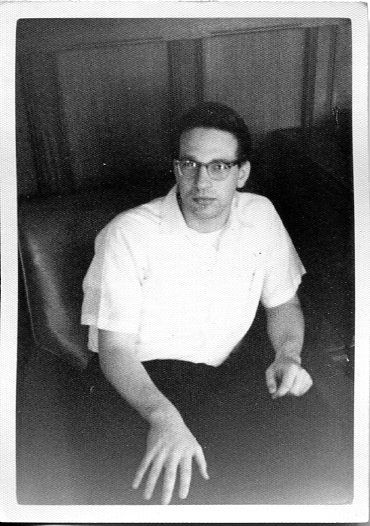
Paul Monsky
|
||||||||||||||||||||||||||||||||||||||||||||||||||||||||||||||||||||||

L to R: George Svetlichny and Ronny Bhattacheryya
|
 Michael David Spivak (born May 25, 1940) is an American mathematician specializing in differential geometry, an expositor of mathematics, and the founder of Publish-or-Perish Press. Spivak is the author of the five-volume A Comprehensive Introduction to Differential Geometry. In 1964, Spivak received a Ph.D. from Princeton University under the supervision of John Milnor. In 1985 Spivak received the Leroy P. Steele Prize. Spivak was born in Queens, New York. Spivak has lectured on elementary physics. Spivak's most recent book, Physics for Mathematicians: Mechanics I, which contains the material that these lectures stemmed from and more, was published on December 6, 2010. Spivak is also the designer of the MathTime Professional 2 fonts (which are widely used in academic publishing) and the creator of Science International. Spivak coined Spivak pronouns, a set of English gender-neutral pronouns. Michael David Spivak (born May 25, 1940) is an American mathematician specializing in differential geometry, an expositor of mathematics, and the founder of Publish-or-Perish Press. Spivak is the author of the five-volume A Comprehensive Introduction to Differential Geometry. In 1964, Spivak received a Ph.D. from Princeton University under the supervision of John Milnor. In 1985 Spivak received the Leroy P. Steele Prize. Spivak was born in Queens, New York. Spivak has lectured on elementary physics. Spivak's most recent book, Physics for Mathematicians: Mechanics I, which contains the material that these lectures stemmed from and more, was published on December 6, 2010. Spivak is also the designer of the MathTime Professional 2 fonts (which are widely used in academic publishing) and the creator of Science International. Spivak coined Spivak pronouns, a set of English gender-neutral pronouns. |
||||||||||||||||||||||||||||||||||||||||||||||||||||||||||||||||||||||
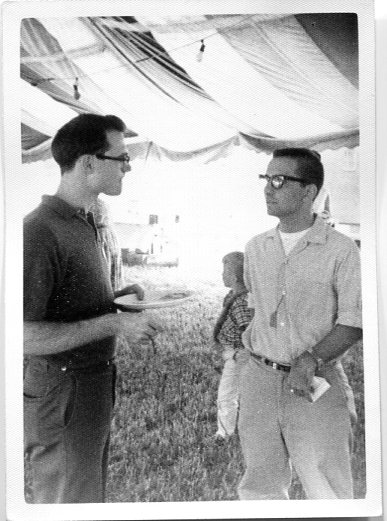
Richard "Dick" Zacher and Carl A. Zanoni From Dick Zacher's web page, "Dick Zacher grew up in Fresno, California. After earning a BS in physics from Caltech, and a PhD in physics from Princeton University, he worked for five years at Washington University in St. Louis, teaching physics and pursuing research on image processing for applications in both high-energy physics and medicine. A summer job at Artronix, a small company in St. Louis that built computers and other apparatus for radiology applications, led eventually to a full-time job with the company. At Artronix, Dick had responsibility for high-level design of an x-ray CT scanner, at a time when that technology was brand new. This job required a broad view, and Dick's graduate-student experience in experimental high-energy physics, with its exposure to work ranging from software and statistics to high-speed logic and bubble-chamber plumbing, proved to be good preparation. The two CT scanners that he helped develop at Artronix were successful medical instruments with innovative technology; but high-tech businesses aren't just about engineering and building products -- the company overextended itself and got into terminal financial difficulties. After five years at Artronix, Dick returned to California to work for Tandem Computers, designing high-availability computer hardware. Among other things, his projects included a high-availability computer system for an office environment, that could be repaired on line by relatively untrained personnel. In later years at Tandem/Compaq/HP, Dick became involved in computer system performance analysis, studying processor performance, traffic in the computer's internal network, and software behavior. Some of his projects involved writing software: a network simulator for studying Tandem's proprietary system network, and instrumentation for sampling dynamic software call-tree data in a running computer system. Since leaving HP, Dick has been working on various technical interests that he picked up in the course of his career: digital image processing, and image interpolation in particular; color vision theory; and some ideas for sound reproduction." CARL A. ZANONI
Carl’s experience has been in the design and development of electro-optical instrumentation and systems for 1) industrial laser metrology, 2) terrestrial and space born stellar and solar astronomy, 3) the generation of optical surfaces using ultra precise machine tools, and 4) automatic optical polishing processes. As Vice President of R&D, his responsibilities cover all of Zygo’s technical activities from design and development of surface and wavefront laser interferometer systems to the fabrication of one meter optics for laser fusion research. |
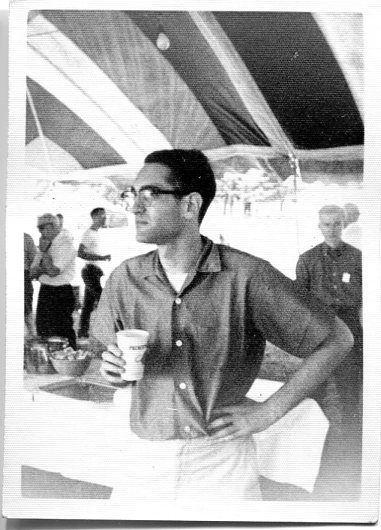
Bob Sugar Bob Sugar is a professor of at the University of California, Santa Barbara. His main scientific interests are in the study of quantum chromodymunics and strongly correlated electron systems. His research in both of these areas involves large scale numerical simulations. He served as Deputy Director of the Institute of Theoretical Physics for three years. Contact: Department of Physics, University of California, Santa Barbara, CA 93106, U.S.A.; sugar@physics.ucab.edu |
||||||||||||||||||||||||||||||||||||||||||||||||||||||||||||||||||||||
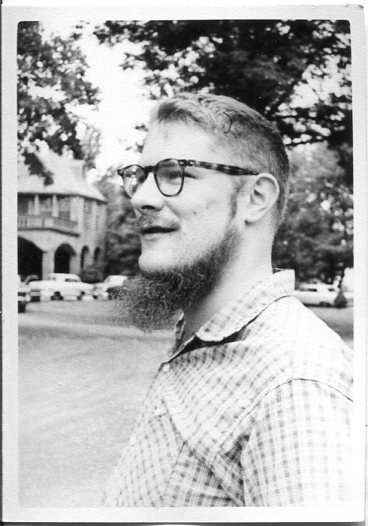
Dave Lewis David Lewis (1941–2001) was one of the most important philosophers of the 20th Century. He made significant contributions to philosophy of language, philosophy of mathematics, philosophy of science, decision theory, epistemology, meta-ethics and aesthetics. In most of these fields he is essential reading; in many of them he is among the most important figures of recent decades. And this list leaves out his two most significant contributions. David Kellogg Lewis (September 28, 1941 – October 14, 2001) was an American philosopher. Lewis was born in Oberlin, Ohio in 1941, to two academics. He was an undergraduate at Swarthmore College. During his undergraduate years, his interest in philosophy was stimulated by a year abroad in Oxford, where he heard J. L. Austin's final series of lectures, and was tutored by Iris Murdoch. He returned to Swarthmore as a philosophy major, and never looked back. He studied at Harvard for his Ph.D., writing a dissertation under the supervision of W. V. O. Quine that became his first book, Convention. Lewis taught briefly at UCLA and then at Princeton from 1970 until his death in 2001. He is also closely associated with Australia, whose philosophical community he visited almost annually for more than thirty years. He made contributions in philosophy of language, philosophy of mind, philosophy of probability, metaphysics, epistemology, philosophical logic, and aesthetics. He is probably best known for his controversial modal realist stance: that (i) possible worlds exist, (ii) every possible world is a concrete entity, (iii) any possible world is causally and spatiotemporally isolated from any other possible world, and (iv) our world is among the possible worlds. While at Harvard he met his wife Stephanie. They remained married throughout Lewis's life, jointly attended numerous conferences, and co-authored three papers. Lewis visited Australia in 1971, 1975, every year from 1979 to 1999, and again shortly before his death in 2001. Lewis was a Fellow of the American Academy of Arts and Sciences, a Corresponding Fellow of the British Academy, and an Honorary Fellow of the Australian Academy of the Humanities. He received honorary doctorates from the University of Melbourne, the University of York in England, and Cambridge University. His Erdös number was 3. (From Stanford Encyclopedia of Philosophy) |
|||||||||||||||||||||||||||||||||||||||||||||||||||||||||||||||||||||||
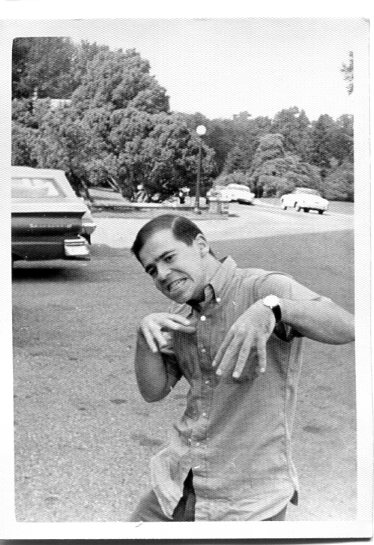
Silverstein was a distinguished mathematician whose accomplishments in the areas of probability and harmonic analysis earned him national and international renown. His seminal work in collaboration with Donald Burkholder at the University of Illinois and Richard Gundy of Rutgers University transformed the methodology of modern harmonic analysis. Silverstein earned bachelor’s and master’s degrees from Massachusetts Institute of Technology in 1961 and earned a doctorate from Princeton University in 1965. In 1977, he came to Washington University as a professor of mathematics. On a visit to China in the early 1980s, Silverstein met Peking University’s Qian Min Ping, who subsequently spent a year at Washington University as one of the first Chinese scientists to visit the United States. This launched a steady stream of graduate students and researchers from throughout China to the University’s mathematics department. Silverstein also collaborated with members of the Department of Physics in Arts & Sciences on several papers in mathematical physics. Despite the necessity to cope with various chronic health problems stemming from a serious illness in 1983, Silverstein continued as an active member of the mathematics department. He directed several doctoral dissertations and continued his collaboration with Qian. Within the department, he was good-natured, cooperative and a friend to all. Silverstein is survived by his wife, Anne; his children, Daniel, Matthew and Julie; and four grandchildren. |
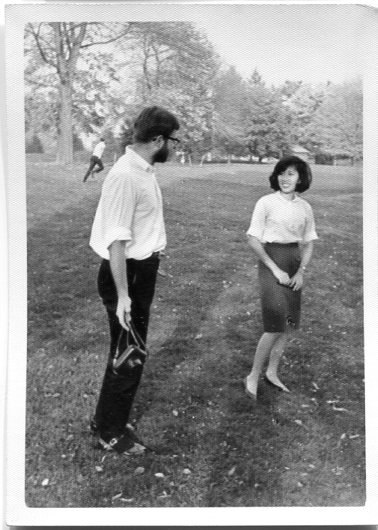
Edward Prugovečki and Poh Geh Eduard Prugovečki (March 19, 1937 – October 13, 2003) was a Canadian physicist and mathematician of Croatian-Romanian descent. Prugovečki was born in Craiova, Romania to a Romanian mother, Helena (née Piatkowski), and Croatian father, Slavoljub. He completed the first four years of secondary education in Bucharest, before his family was forced to relocate to Zagreb in 1951, due to an anti-Yugoslav campaign by the communist authorities. He finished high school there and proceeded to study physics at the University of Zagreb, getting his diploma in 1959. He joined the Department of Theoretical Physics at the Institute Ruđer Bošković in Zagreb, where he worked as a research assistant until 1961. In 1961, as the best student of his generation in Zagreb, Prugovečki was sent to Princeton University, New Jersey, United States. He wrote his doctoral thesis under the direction of theoretical physicist Arthur Wightman, and earned his Ph.D. from Princeton in 1964. In 1965, he moved to Canada, where he first spent two years as a postdoctoral fellow at the Institute for Theoretical Physics in Edmonton, Alberta, and then a year as a lecturer at the University of Alberta. He taught physics at the University of Toronto from 1967 to 1997. In 1974, he spent one year as a visiting professor at the Centre national de la recherche scientifique in Marseille, France. Around 1986 he resigned from his membership in the International Association of Mathematical Physics. His research interests were quantum field theory, unification of theory of relativity and quantum theory and quantum gravity. He introduced the concept of informational completeness. In 1998, he retired to live in Honey Harbour, Ontario. Prugovečki died at the age of 66 at his home at Lake Chapala, Mexico. |
||||||||||||||||||||||||||||||||||||||||||||||||||||||||||||||||||||||

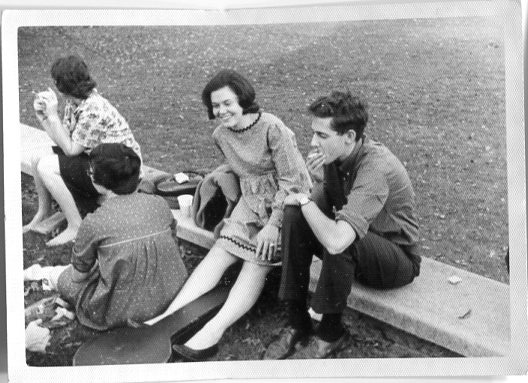
Jon writes of the trip, "We stayed one night at a cabin owned by Aaron Lemonick, a professor at Princeton. The cabin was unheated, so we hoped to get it up to a livable temperature by building a fire. By morning we had managed to raise the temperature from 5 to 20 degrees F, and our water was frozen. So we decamped to Curt's aunt's (or grandmother's) house in Williamstown, MA." |

|
||||||||||||||||||||||||||||||||||||||||||||||||||||||||||||||||||||||
|
|
||||||||||||||||||||||||||||||||||||||||||||||||||||||||||||||||||||||
|
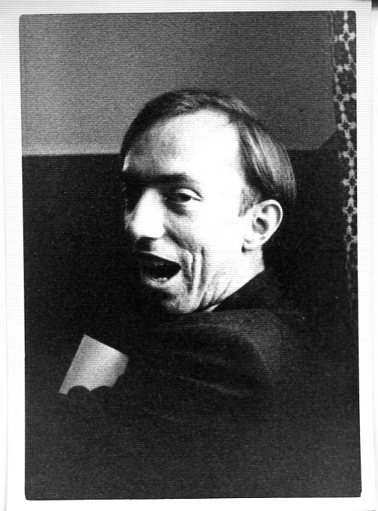
Kip Thorne Kip Thorne was born in Logan Utah in 1940, Kip Thorne received his B.S. degree from Caltech in 1962 and his Ph.D. from Princeton University in 1965. After two years of postdoctoral study, Thorne returned to Caltech as an Associate professor in 1967, was promoted to Professor of Theoretical Physics in 1970, became The William R. Kenan, Jr., Professor in 1981, and The Feynman Professor of Theoretical Physics in 1991. Nobel Prize 2017. |
||||||||||||||||||||||||||||||||||||||||||||||||||||||||||||||||||||||
|

|
||||||||||||||||||||||||||||||||||||||||||||||||||||||||||||||||||||||

|
|
||||||||||||||||||||||||||||||||||||||||||||||||||||||||||||||||||||||

Bob Sugar (Columbia and UCSB after Princeton), Freddie Goldhaber and Dave Cassel in front of the then new Graduate College in |

|
||||||||||||||||||||||||||||||||||||||||||||||||||||||||||||||||||||||
|
|
||||||||||||||||||||||||||||||||||||||||||||||||||||||||||||||||||||||
|
|||||||||||||||||||||||||||||||||||||||||||||||||||||||||||||||||||||||

Michael Cooper Gilmartin, PhD in mathematics, Princeton 1964. According to Bill Casselman, Michael Gilmartin died a very long time ago in a diabetic coma Another story was relayed by Bill Faris, "Michael Gilmartin was unusual. As I remember, as a freshman at Harvard he took the graduate real analysis course from George Mackey. That year Mackey started with the axioms for Godel set theory. So in principle Gilmartin saw all of mathematics derived from these axioms. For him, mathematics could be regarded in a very literal sense as the consequence of a few basic statements of set theory, taken on the authority of a distinguished professor at Harvard. "
|
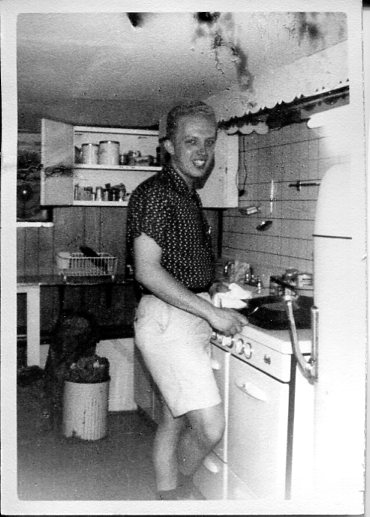
David Cassel, 63 Leigh, 6/1964 B.S., 1960, Physics, California Institute of Technology. M.S., 1962, Physics, Princeton University. Ph.D., 1965, Princeton University. Postdoctoral Fellow, CERN, Geneva, Switzerland, 1965. Assistant Professor, Physics, Cornell University, 1966-71. Associate Professor, Physics, Cornell University, 1971-79. Professor, Physics, Cornell University, 1979-2010. Associate Director, Laboratory for Elementary-Particle Studies (LEPP), Cornell University, 1984-2008. Acting Director, LEPP, Cornell University, 1991-92. Visiting appointments at: University of Bonn, Germany; DESY, Hamburg, Germany; and CERN, Geneva, Switzerland. Alexander von Humboldt Foundation Senior Scientist Award, 1972-73. Member, American Association of University Professors, Fellow, American Physics Society. Experimental elementary particles: charged pion form factor, CP violation in neutral K meson decay, photoproduction and electroproduction of scalar and vector mesons, weak decays of B and D mesons, construction of charged particle detectors, development of software for processing elementary particle physics data, magnetic confinement of neutrons. |
||||||||||||||||||||||||||||||||||||||||||||||||||||||||||||||||||||||
|
|
||||||||||||||||||||||||||||||||||||||||||||||||||||||||||||||||||||||

|

|
||||||||||||||||||||||||||||||||||||||||||||||||||||||||||||||||||||||

|

|
||||||||||||||||||||||||||||||||||||||||||||||||||||||||||||||||||||||
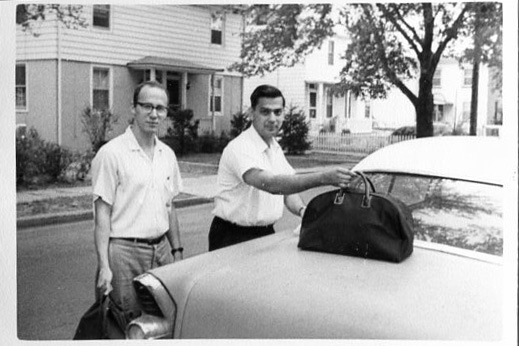
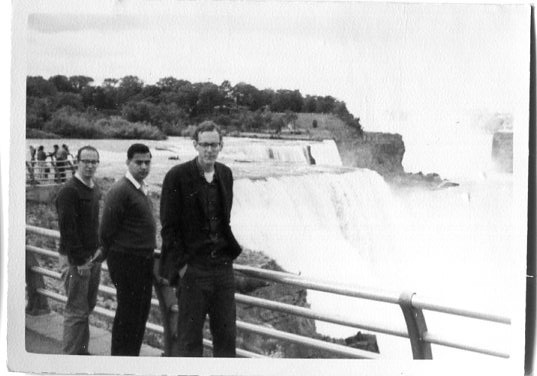
L to R: George Svetlichny and Ranendra "Ronny" Bhattacharyya, " Off to "Niffles" 9/1964 Larry used the term "Niffles" on his photos a number of times. George Svetlchny kindly provided the source: "An American goes to England and while in London wants to go to Leicester Square. So he stops a bloke on the street and asks for directions. I don't remember who said this joke, it might have been Peter Vajk, but that famous waterfall has been Niffles from then on." |
|
||||||||||||||||||||||||||||||||||||||||||||||||||||||||||||||||||||||
|
|
||||||||||||||||||||||||||||||||||||||||||||||||||||||||||||||||||||||

|
|
||||||||||||||||||||||||||||||||||||||||||||||||||||||||||||||||||||||
|
|
||||||||||||||||||||||||||||||||||||||||||||||||||||||||||||||||||||||
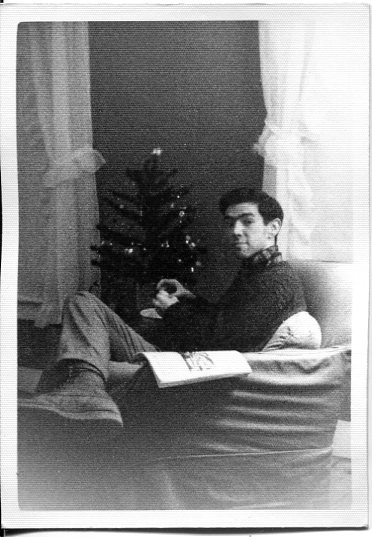
Curtis "Curt" Callan, Williamstown, 1/1964 Callan received his B.Sc. in physics from Haverford College. Later he studied physics under Sam Treiman at Princeton and in 1964 received his doctorate degree. His Ph.D. students include Philip Argyres, Vijay Balasubramanian, William E. Caswell, Peter Woit, Igor Klebanov, Juan Maldacena, Larus Thorlacius, and Justin B. Kinney. Callan is best known for his work on broken scale invariance (Callan–Symanzik equation) and has also made leading contributions to quantum field theory and string theory in the areas of dyon-fermion dynamics, string solitons and black holes. Callan has been a member of the JASON defense advisory group since 1968, and was chair of the group from 1990 to 1995. He served as president of the American Physical Society in 2010. |
|
||||||||||||||||||||||||||||||||||||||||||||||||||||||||||||||||||||||
|

|
||||||||||||||||||||||||||||||||||||||||||||||||||||||||||||||||||||||

Professor Ralph Fox Ralph Hartzler Fox (March 24, 1913 – December 23, 1973) was an American mathematician. As a professor at Princeton University, he taught and advised many of the contributors to the Golden Age of differential topology, and he played an important role in the modernization and main-streaming of knot theory. Ralph Fox attended Swarthmore College for two years, while studying piano at the Leefson Conservatory of Music in Philadelphia. He earned a master's degree from Johns Hopkins University, and a Ph.D. degree from Princeton University in 1939. His doctoral dissertation, On the Lusternick-Schnirelmann Category, was directed by Solomon Lefschetz. (In later years he disclaimed all knowledge of Lusternik–Schnirelmann category, and certainly never published on the subject again.) He directed 21 doctoral dissertations, including those of John Milnor, John Stallings, Francisco González-Acuña, Guillermo Torres-Diaz and Barry Mazur. His mathematical contributions include Fox n-coloring of knots, the Fox-Artin arc, and the free differential calculus. He also identified the compact-open topology on function spaces as being particularly appropriate for homotopy theory. Aside from his strictly mathematical contributions, he was responsible for introducing several basic phrases to knot theory: the phrases slice knot, ribbon knot, and Seifert circle all appear in print for the first time under his name, and he also popularized (if he did not introduce) the phrase Seifert surface. He popularized the playing of the game of Go at both Princeton and the Institute for Advanced Study. |
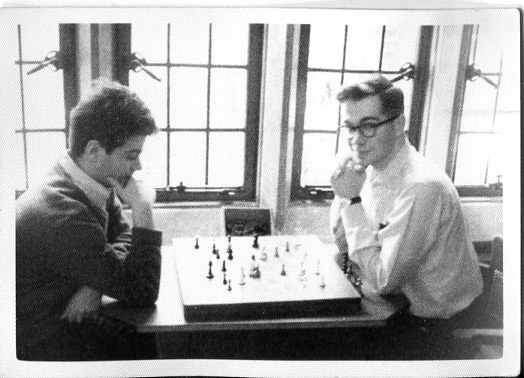
L to R, Paul Monsky and Tony Knapp 3/1964
|
||||||||||||||||||||||||||||||||||||||||||||||||||||||||||||||||||||||
|
|
||||||||||||||||||||||||||||||||||||||||||||||||||||||||||||||||||||||
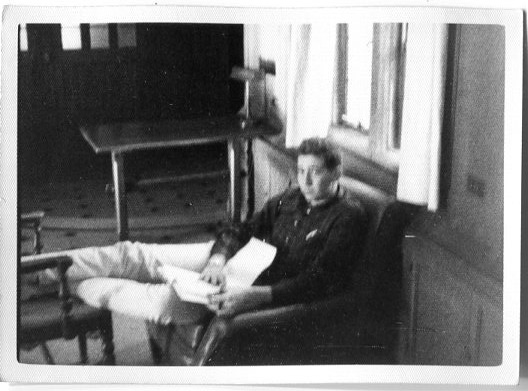
Taught physics at California State University at Hayward after a PhD in physics at Stanford. He worked in high energy and plasma physics. is a strong supporter of and has toured Western Europe and Russia with the San Francisco Symphony. |
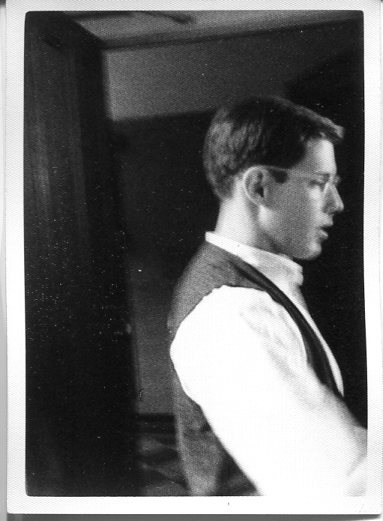
|
||||||||||||||||||||||||||||||||||||||||||||||||||||||||||||||||||||||
|
|
||||||||||||||||||||||||||||||||||||||||||||||||||||||||||||||||||||||
|
|
||||||||||||||||||||||||||||||||||||||||||||||||||||||||||||||||||||||
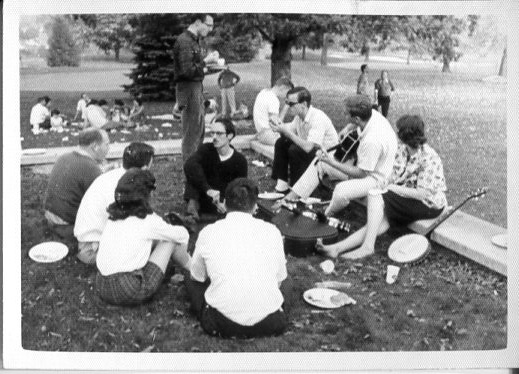
John Stallings, Graduate College picnic, 9/1963
John Stallings was born on July 22, 1935 in Morrilton, Arkansas.[1] Stallings received his B.Sc. from University of Arkansas in 1956 (where he was one of the first two graduates in the university's Honors program)[2] and he received a Ph.D. in Mathematics from Princeton University in 1959 under the direction of Ralph Fox.[1] After completing his PhD, Stallings held a number of postdoctoral and faculty positions, including being an NSF postdoctoral fellow at Oxford University as well as an instructorship and a faculty appointment at Princeton. Stallings joined the University of California at Berkeley as a faculty member in 1967 where he remained until his retirement in 1994.[1] Even after his retirement, Stallings continued supervising UC Berkeley graduate students until 2005.[3] Stallings was an Alfred P. Sloan Research fellow from 1962–65 and a Miller Institute fellow from 1972-73.[1] Over the course of his career, Stallings had 22 doctoral students including Marc Culler and Hyam Rubinstein and 60 doctoral descendants. He published over 50 papers, predominantly in the areas of geometric group theory and the topology of 3-manifolds. Stallings delivered an invited address as the International Congress of Mathematicians in Nice in 1970[4] and a James K. Whittemore Lecture at Yale University in 1969.[5] Stallings received the Frank Nelson Cole Prize in Algebra from the American Mathematical Society in 1970.[6] The conference "Geometric and Topological Aspects of Group Theory", held at the Mathematical Sciences Research Institute in Berkeley in May 2000, was dedicated to the 65th birthday of Stallings.[7] In 2002 a special issue of the journal Geometriae Dedicata was dedicated to Stallings on the occasion of his 65th birthday.[8] Stallings died from prostate cancer on November 24, 2008.[ |
Jay Goldman
|
||||||||||||||||||||||||||||||||||||||||||||||||||||||||||||||||||||||

|

|
||||||||||||||||||||||||||||||||||||||||||||||||||||||||||||||||||||||
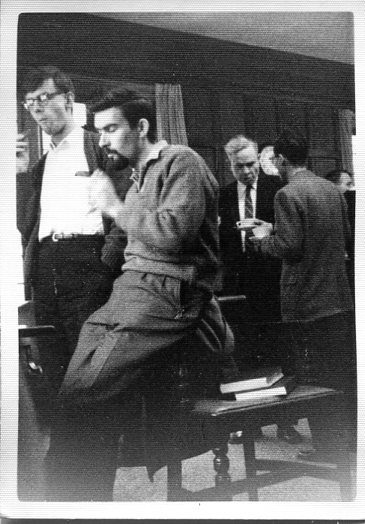
L to R: ?, Neville Smythe, Professor Norman Steenrod and maybe Goro Shimura, Goro Shimura is a Japanese mathematician, and currently a professor emeritus of mathematics at Princeton University. ; 3/1964 Neville Smythe is a member of the Mathematical Sciences Research Institute. His research interest are: Knot Theory Combinatorial Group Theory, especially groups of low-dimensional manifolds Mathematical Software : co-author with Dr Martin Ward of ANUGraph. Neville is Director of the International Go Federation.
Norman Steenrod was born in Dayton, Ohio, and educated at Miami University and University of Michigan (A.B. 1932). After receiving a master's degree from Harvard University in 1934, he enrolled at Princeton University. He completed his Ph.D. under the direction of Solomon Lefschetz, with a thesis titled Universal homology groups. He held positions at the University of Chicago from 1939 to 1942, and the University of Michigan from 1942 to 1947. He moved to Princeton University in 1947, and remained on the Faculty there for the rest of his career. He died in Princeton. |
|
||||||||||||||||||||||||||||||||||||||||||||||||||||||||||||||||||||||
|
|||||||||||||||||||||||||||||||||||||||||||||||||||||||||||||||||||||||
|
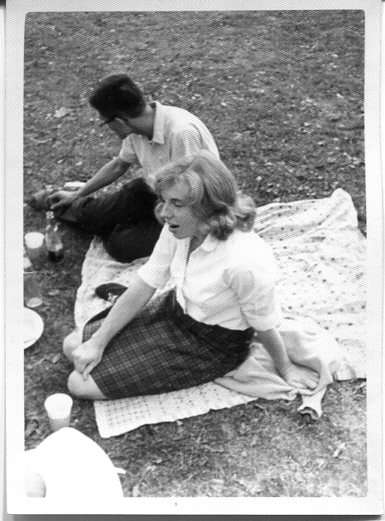
Royce Zia and Linda Thorne 9/1963
1976-2009 Virginia Tech Professor of Physics. He served as chair 2004-2006. He is a Fellow of the American Physical Society.
|
||||||||||||||||||||||||||||||||||||||||||||||||||||||||||||||||||||||
|

|
||||||||||||||||||||||||||||||||||||||||||||||||||||||||||||||||||||||
|

|
||||||||||||||||||||||||||||||||||||||||||||||||||||||||||||||||||||||

|
|
||||||||||||||||||||||||||||||||||||||||||||||||||||||||||||||||||||||

|
Bob Moore (U. of Washington) and John Dollard (UT Mathematics Professor-Retired) Dollard's positions include: Vice Provost for Forecasting, IR, and Modeling, UT at Austin, Analyst, Office of the Provost, UT at Austin, Associate Dean, Graduate School, UT at Austin, Chairman of Mathematics UT at Austin, Professor UT at Austin. John's PhD and MA were in physics at Princeton. His BA was in mathematics from Yale. |
||||||||||||||||||||||||||||||||||||||||||||||||||||||||||||||||||||||
|
|
||||||||||||||||||||||||||||||||||||||||||||||||||||||||||||||||||||||

|

|
||||||||||||||||||||||||||||||||||||||||||||||||||||||||||||||||||||||
|
|
||||||||||||||||||||||||||||||||||||||||||||||||||||||||||||||||||||||
|
|
||||||||||||||||||||||||||||||||||||||||||||||||||||||||||||||||||||||

Robert T. "Bob" Moore, later on the faculty of the University of Washington. His research was in the area of operator theory
|
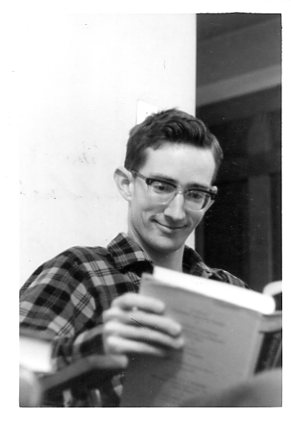
In 2003, Peter won the CADE Herbrand Award for Distinguished Contributions to Automated Reasoning given by the International Conference on Automated Deduction (Thanks to Bill Faris for Peter's identification.) |
||||||||||||||||||||||||||||||||||||||||||||||||||||||||||||||||||||||
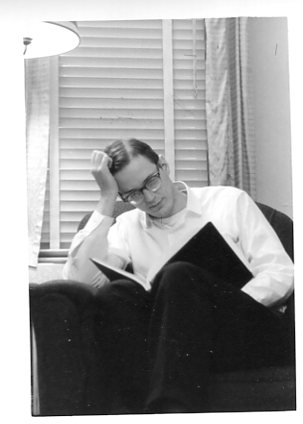
William "Bill" Faris, 1962-63
|
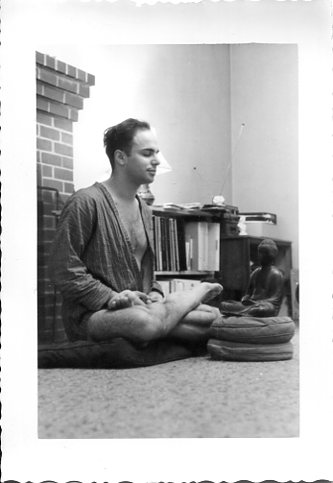
Larry Shepley, 1962-63
|
||||||||||||||||||||||||||||||||||||||||||||||||||||||||||||||||||||||
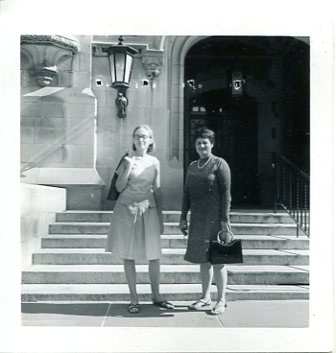
Judy Shell and Myral Bernstein, Palmer lab Princeton,8/1964
|
|
||||||||||||||||||||||||||||||||||||||||||||||||||||||||||||||||||||||
|
|||||||||||||||||||||||||||||||||||||||||||||||||||||||||||||||||||||||
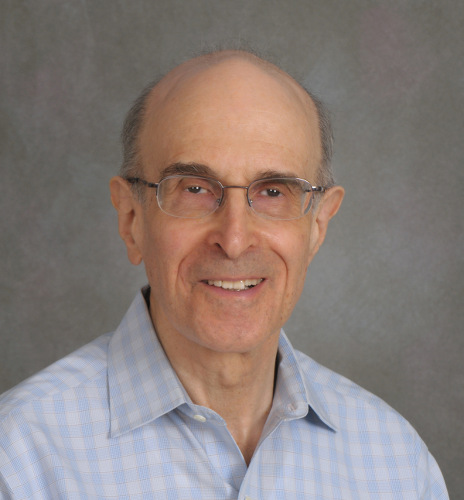 PhD Princeton 1964. Institute for Theoretical Physics, State University of New York. Fred Goldhaber represents the second of three physics generations in his family. Collaboration with his parents led to what may have been the first mother-son publications in physics. Among his research publications are articles on magnetic monopoles, elementary particles, nuclei, condensed matter, and, recently, cosmology. Themes that help to bind these topics together include the principle of gauge invariance, the use of classical limits and the correspondence principle, and the study of long-distance, low-energy constraints on objects that may have quite high-energy internal structure. He is co-author of three review articles, "Terrestrial and Extraterrestrial Limits on the Photon Mass," "Hypothetical Particles" (with Jack Smith), and "High-Energy Collisions of Nuclei," as well as an annotated bibliography, Magnetic Monopoles. He enjoys hindsight heuristics, asking why people made discoveries later than they might have; understanding this better could aid future discoveries.
 John Louis Roeder was recognized for his outstanding service to AAPT and the physics education community with the association’s Distinguished Service Citation during the 2011 Summer Meeting in Omaha, Nebraska. A Science Teacher at The Calhoun School in New York City since 1973, Roeder earned his A.B. in Physics at Washington University and his M.A. and Ph.D. in Physics at Princeton University.
  Jon Rosner
  William Faris
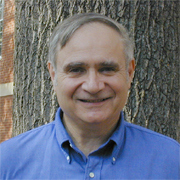 April 27, 2007 -- Julian V. Noble, 66, physics professor emeritus at the University of Virginia, died on March 11, 2007, after a long illness.
  Maurice was born in Paris, France. Graduated from the École Polytechnique de Paris. Ph.D. in high-energy experimental nuclear physics at Stanford University in 1962. Docteur en Sciences, Université de Paris, France, 1975. Honorary Doctor of the University, Open University, England, 1993.
 From George's website "I obtained my B. S. in Physics from Rensselaer Polytechnic Institute in 1963, and Ph. D. in Physics from Princeton University in 1968. I worked in the Physics Department of the University of Maryland, USA, at the Laboratório di Cibernetica and Instituto Orientale in Naples, Italy, and as a visiting, associate, and full professor at the math department of the Pontifícia Universidade Católica (PUC) in Rio de Janeiro, Brazil. I am now an emeritus professor at the same institution. I was a visiting professor at the math department of the University of Massachusetts in Amherst, USA, and at the sub-faculty of philosophy of Oxford University, UK. I have done research in various topics of mathematics, physics and philosophy with emphasis on mathematical physics. My current research interests are, quantum information, classical and quantum gravity, quantum biology and geometry of Lagrangian theories."
  Carl received his M.A. and Ph.D. in Physics from Princeton and held a Post Doctoral Fellowship at Wesleyan University. He began his industrial career as a staff physicist at Perkin Elmer Corporation but left in 1970 to become a founding member of Zygo Corporation.
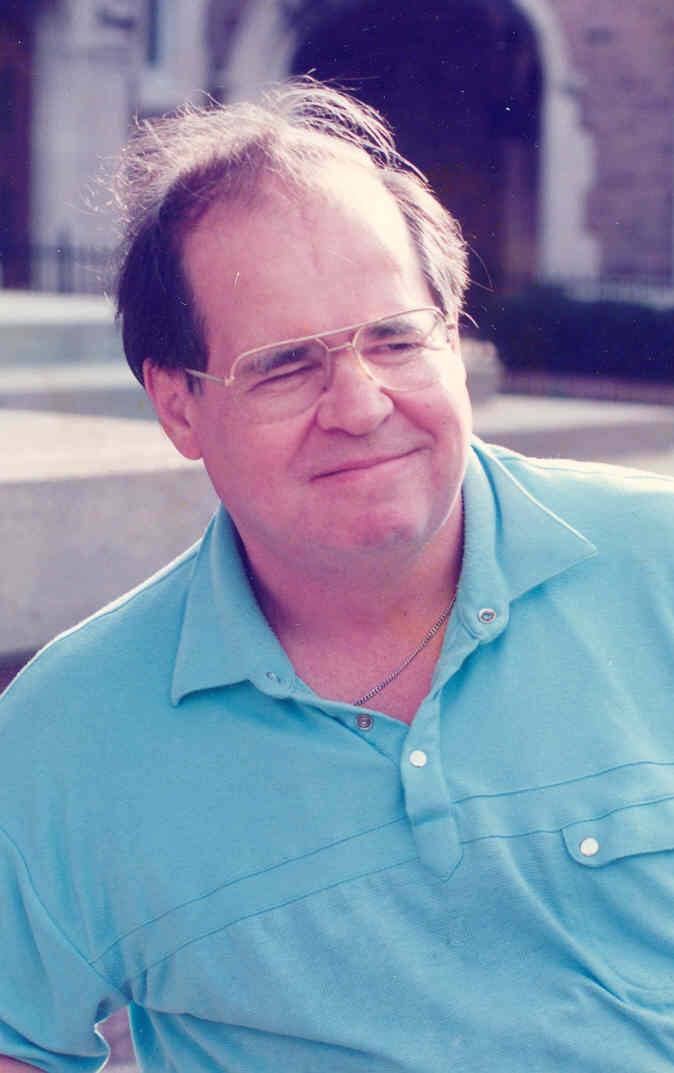 Martin L.Silverstein, Ph.D., professor of mathematics in Arts & Sciences at Washington University in St. Louis, died Thursday, Jan. 15, 2004, when he was struck by a car while walking in University City. He was 64.
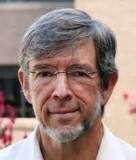 (born October 11, 1942) is a theoretical physicist and a professor at Princeton University. He has conducted research in gauge theory, string theory, instantons, black holes, strong interactions, and many other topics. He was awarded the Sakurai Prize in 2000 ("For his classic formulation of the renormalization group, his contributions to instanton physics and to the theory of monopoles and strings") and the Dirac Medal in 2004.
 Paul Monsky (born June 17, 1936) is an American mathematician and professor at Brandeis University. After earning a bachelor's degree from Swarthmore College, he received his Ph.D. in 1962 from the University of Chicago under the supervision of Walter Bailey.[1] He has introduced the Monsky-Washnitzer cohomology and he has worked intensively on Hilbert–Kunz functions and Hilbert–Kunz multiplicity. In 2007, Monsky and Brenner gave an example showing that tight closure does not commute with localization. Monsky's theorem, the statement that a square cannot be divided into an odd number of equal-area triangles, is named after Monsky, who published the first proof of it in 1970.[2] In the mid-1970s, Monsky stopped paying U.S. federal income tax in protest against military spending. He resisted income tax withholding by claiming extra exemptions, and this led to a criminal conviction on tax charges in 1980.
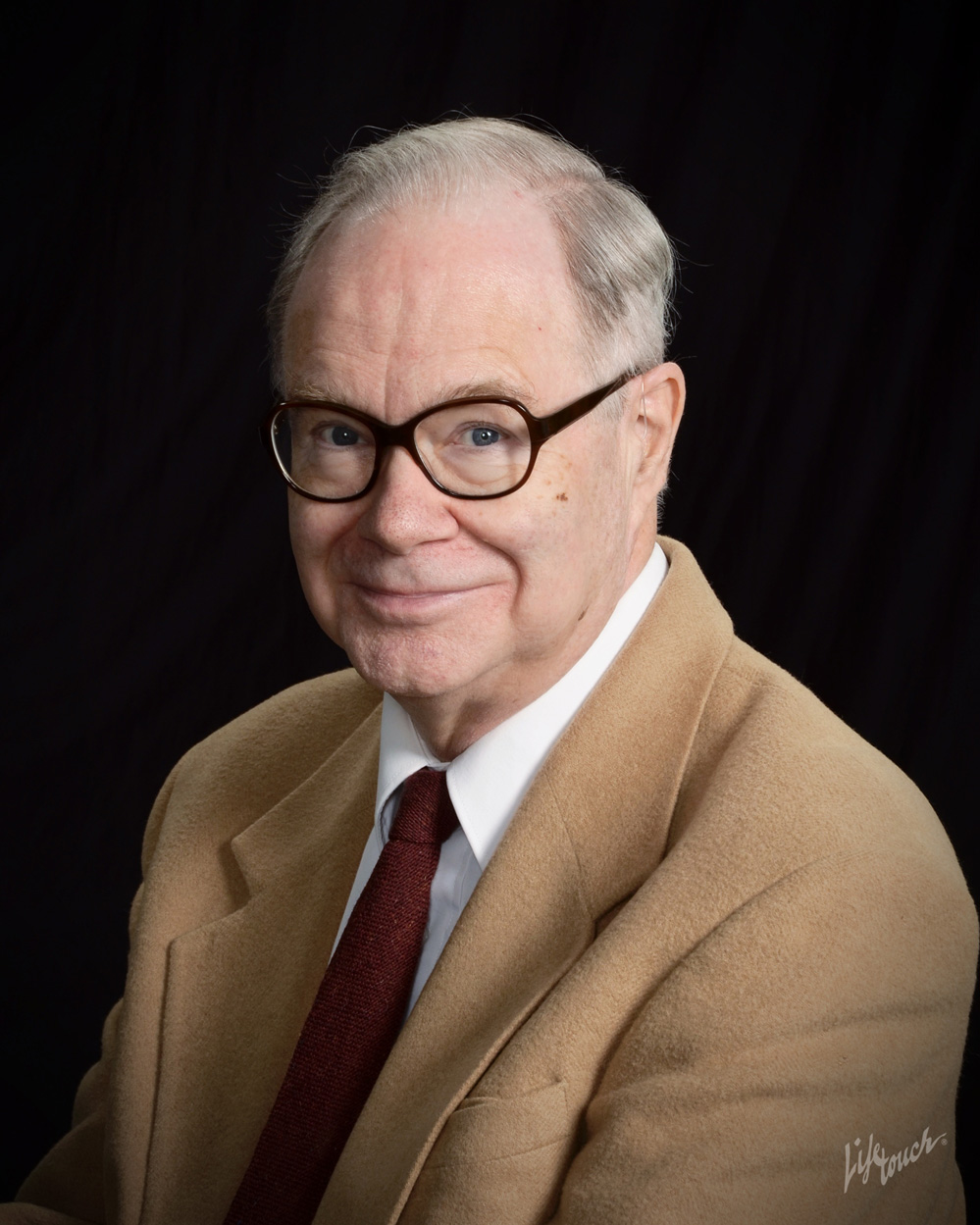 Anthony W. Knapp
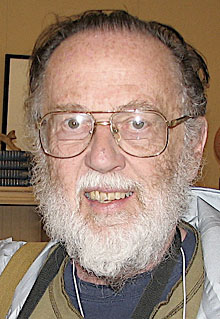 John Robert Stallings Jr. (July 22, 1935 – November 24, 2008) was a mathematician known for his seminal contributions to geometric group theory and 3-manifold topology. Stallings was a Professor Emeritus in the Department of Mathematics at the University of California at Berkeley[1] where he had been a faculty member since 1967.[1] He published over 50 papers, predominantly in the areas of geometric group theory and the topology of 3-manifolds. Stallings' most important contributions include a proof, in a 1960 paper, of the Poincaré Conjecture in dimensions greater than six and a proof, in a 1971 paper, of the Stallings theorem about ends of groups.
 He was a profesor of mathematics at the University of Minnesota. His interests are combinatorial theory, knots, and number theory.
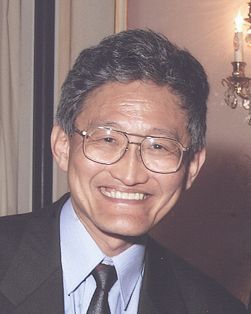 Royce Zia
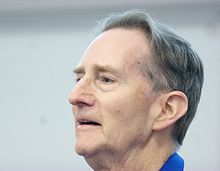 Peter Bruce Andrews (born 1937) is an American mathematician and Professor of Mathematics at Carnegie Mellon University in Pittsburgh, Pennsylvania, and the creator of the mathematical logic Q0. He received his Ph.D. from Princeton University in 1964 under the tutelage of Alonzo Church. He received the Herbrand Award in 2003. His research group designed the TPS automated theorem prover. A subsystem ETPS (Educational Theorem Proving System) of TPS is used to help students learn logic by interactively constructing natural deduction proofs.