Allan H. MacDonald |
Allan H. MacDonald (Antigonish, Nova Scotia, Canada, 1951) holds a BSc in Physics from St. Francis Xavier University (Nova Scotia, Canada) and an MSc and PhD on the same subject from the University of Toronto. During his time as a postdoctoral researcher and research scientist at the National Research Council Canada in Ottawa (1978 to 1987), he spent a year as a visiting scientist at the Swiss Federal Institute of Technology in Zurich (ETH Zurich), Switzerland. In 1988, he worked in an advisory capacity at the Max Planck Institute for Solid State Research in Stuttgart (Germany). A Professor of Physics at Indiana University (United States) between 1987 and 2000, he next joined the faculty of The University of Texas at Austin, where he holds the Sid W. Richardson Chair in Physics. His research has resulted in over 1,000 publications with some 110,000 citations, as well as three granted patents. A member of the Condensed Matter Division executive committees of both the Canadian and the American Physical Society, he has also served on a number of advisory boards, including those of the Canadian Institute for Advanced Research and the Kavli Institute for Theoretical Physics.
CONTRIBUTION
In 2011, MacDonald predicted an unusual property of graphene, a material composed of a single layer of carbon atoms. By his calculations, on rotating one graphene sheet on top of another to a very precise angle, the electrons (which in conventional materials move at thousands of kilometres per second) would lose velocity, coming practically to a standstill. This dramatic slowdown raised the possibility of huge changes in the graphene’s behavior of a nature MacDonald could barely imagine when his results first appeared in Proceedings of the National Academy of Sciences. The researcher gave the name “magic angle” to this 1.1º misfit between the graphene layers. Seven years later, Jarillo-Herrero and his team provided the experimental confirmation of this prediction.
His pioneering work provided the theoretical grounding of a field now known as twistronics, where superconductivity, magnetism and other properties are achieved by rotating novel two-dimensional materials such as graphene, with potential technological applications.
Kavli Prize
In 2026, Allan shared the Kavli Prize in Nanoscience with Eva Y. Andrei and Pablo Jarillo-Herrero. Allan wrote an autobiography for publication by the Kavli Prize Committed. The Committee and Allan have kindly granted permission for Allan's story to be included here. It can also be seen on the Kavli Prize website.
A LUCKY LIFE
AS TOLD BY ALLAN H. MACDONALD
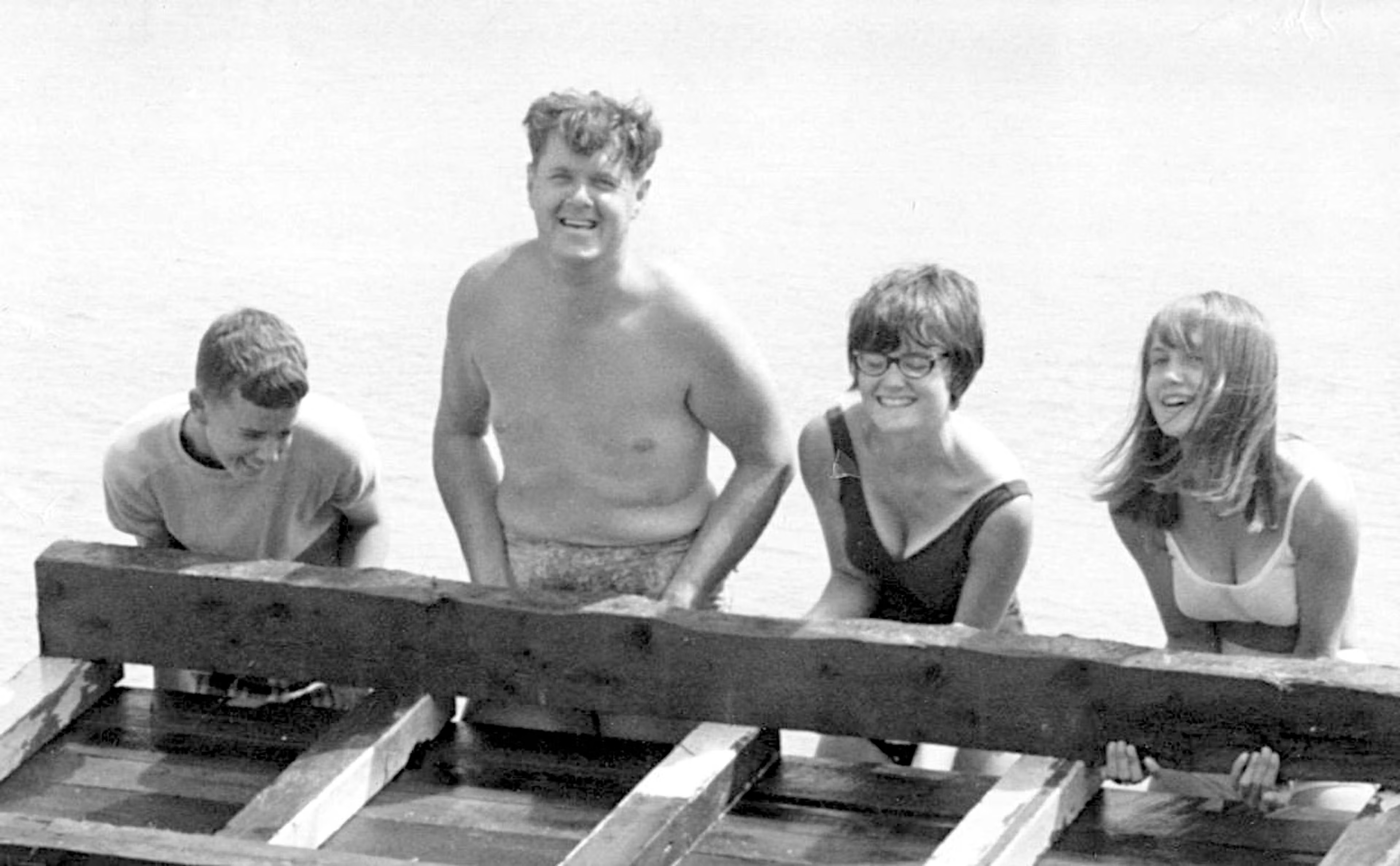
Jimtown summer 1959
Looking back, I see my life in science as a sequence of fortunate accidents, propelled by an early fascination with mathematical models and sustained by enough grit to get through the hard parts.I was born in Antigonish, Nova Scotia, Canada in 1951 and grew up there. Antigonish is a town of around 5,000 people—at the time mostly descendants of settlers from the Hebrides. I was the second of eight children. My mother, the daughter of a prominent local merchant, had lived in NYC as a young woman and knew a different life. She was a plain-speaking intellectual who had an analytical bent. Her judgements could be harsh but were usually correct. My father, the youngest son of a coal miner who leapt at the unexpected opportunity to go to college after WWII, was pure emotion. For him, it was all about his family and especially about his children and grandchildren. Between them, they gave me both a deep respect for clear thinking and a strong attachment to people—qualities that would shape both my science and my life.
I credit my long life in science to the openness of global scientific culture, which keeps an ear open for interesting ideas from unexpected directions.
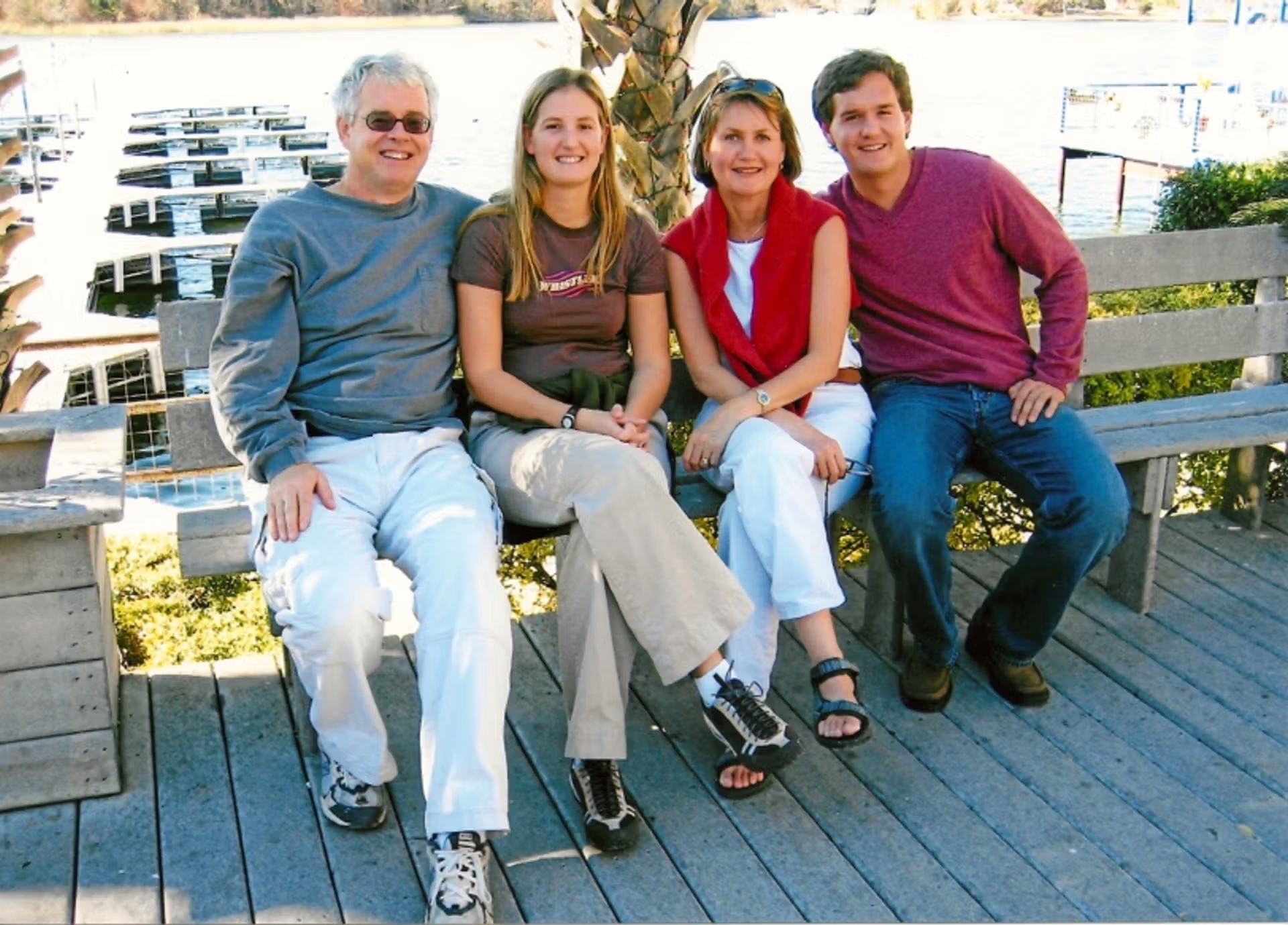
We had a modest cottage on St. George's Bay—at a place called Jimtown—where we spent our summers. There, a small army of children roamed freely—swimming in the Bay one minute, playing hide-and-seek in the haylofts of Joe’s barn the next, and listening raptly to stories told by the ancient and mysterious Christopher brothers, whose fishing shacks guarded opposite sides of the channel connecting the Bay to Ogden's Pond, whenever we could. No shoes, no shirts, no adult supervision. We slept on a veranda, later removed, that wrapped around the cottage, allowing generous views of the magnificent night sky. It was heaven. In Jimtown I found a special friend, a girl from Toronto—Susan Wayling, who would later become my life partner.
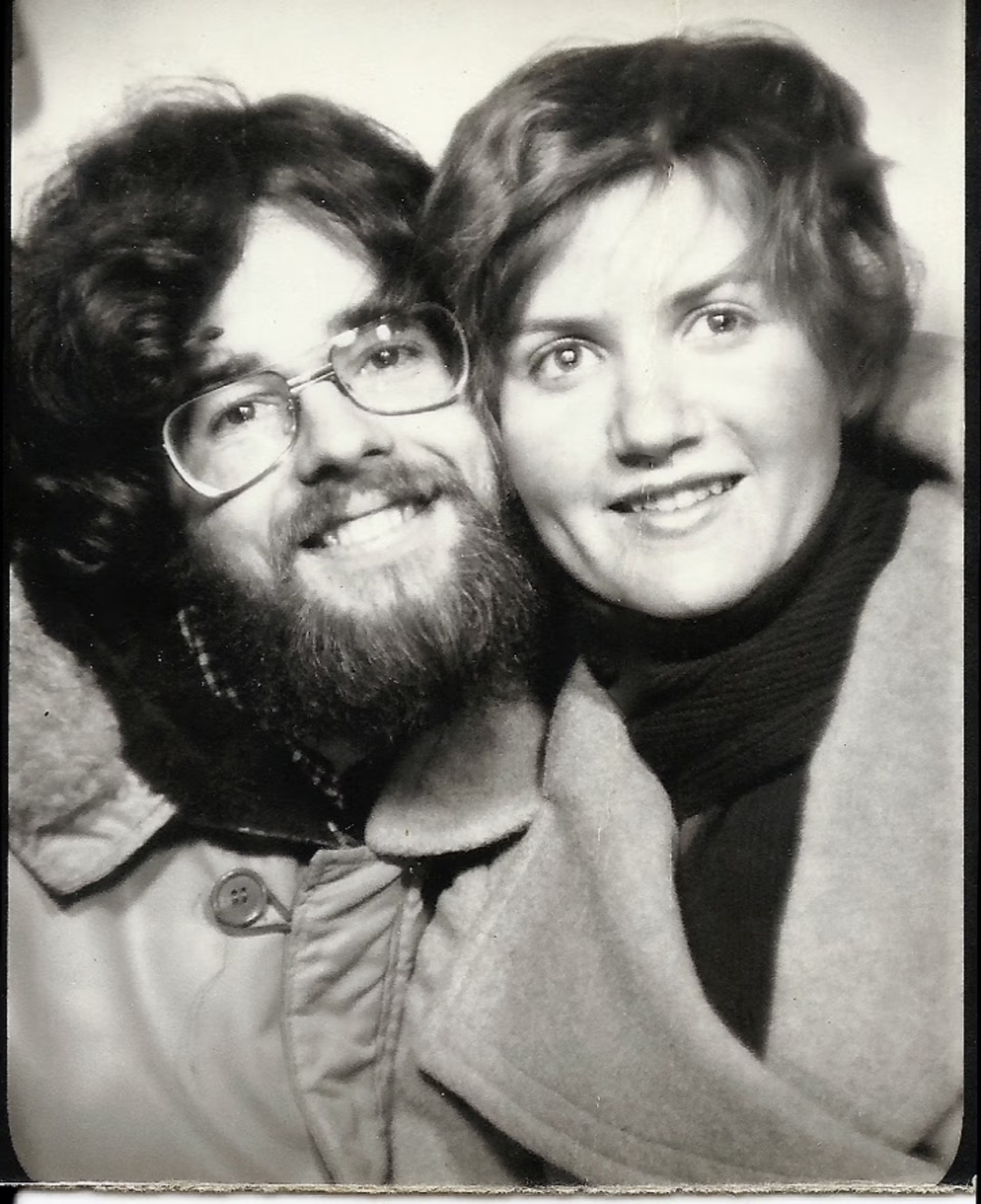
And so it came to pass that one August evening in 1973 I walked down Fairview Street to the highway that skirted the edge of town and stuck out my thumb to try my luck down the road. As I hitchhiked through the night, I recognized that my life was at a pivot point but had no plans beyond the immediate goals of reconnecting with Susan Wayling and starting graduate school, in that order.I reached Montreal by morning and took a bus the rest of the way. When I arrived at the old intercity bus terminal at Bay and Dundas in Toronto, I phoned Susan. We were married a year later in Jimtown.
To prepare for graduate studies, I visited the old main branch of the Toronto Public Library on College Street, where I discovered that I could check out the very readable textbooks on solid-state and thermal physics by Charles Kittel. By happenstance, I had found my field: theoretical condensed matter physics. In those first days, Susan and I had lunch across the street at Ali Baba’s Shawarma, where we were to become the most regular of regulars during my Ph. D. years—greeted like royalty whenever we walked through the door. A nod was sufficient—our order was known. In Toronto I found a new group of inspiring teachers; I still remember listening closely to enchanting lectures by Jan van Kranendonk and Alan Griffin.
At the time, it was not at all clear that a career in science was within reach for me.
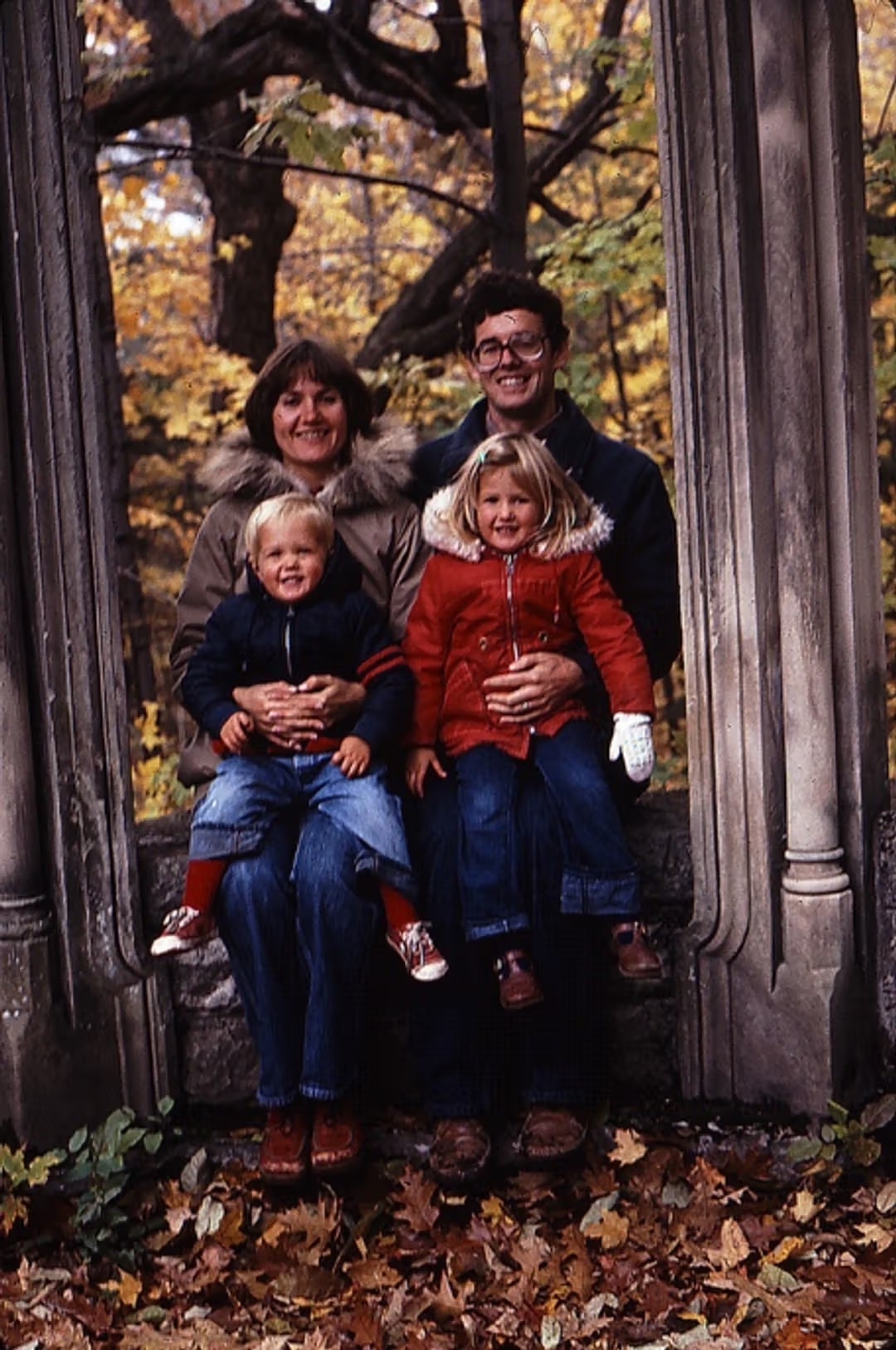
The end of my time in Toronto did not go smoothly. I missed out on using a postdoctoral fellowship I had won to work with DFT leader OK Andersen in Denmark because my thesis wasn't finished on time. Susan and I welcomed our first child, Erin, a colicky blessing who kept me up late listening to west coast baseball games while trying to settle her down. Running a deficit on both sleep and funding after my government fellowship expired, we scrambled. I landed a postdoc at the National Research Council (NRC) of Canada in Ottawa, where I found a supportive crew of experienced scientists, led by Marek Laubitz, who were experts on the electrical and thermal transport properties of metals. They played bridge at a high level during lunch breaks—a game I was allowed to join after a probationary period of dutiful observation. A second child, Brendan, came along. Susan and I craved financial stability—something we had never enjoyed. I was conditionally approved to teach physics in Lesotho for the Canadian International Development Agency—that would have done the trick—before being cast aside at the last minute.
My brother Colin, who had earned a bit of money in the Alberta oil fields after finishing a philosophy degree at StFX, lent us some cash, and Bill Shields, an NRC technician with a generous heart, offered his car weekly so we could get to the grocery store. I picked up some evening shifts restocking shelves at the same store to help make ends meet. At the time, it was not at all clear that a career in science was within reach for me. Meanwhile Susan and I loved our children—already our best friends—fiercely and gave them all we could. We worried about the future, but we were happy.
Zurich and Back to Ottawa
At the ETH, Maurice Rice suggested that I work on the quantum Hall effect (QHE), discovered by Klaus von Klitzing a couple of years earlier, and the fractional quantum Hall effect (FQHE), which had recently been discovered by his former colleagues Stormer, Tsui, and Gossard at Bell Labs. Both discoveries were later recognized by Nobel Prizes. Theoretical ideas about their description were still shifting. I was finally starting to get the point—namely, that I should be thinking about observations that were not understood even qualitatively and about what would be observed if experiments that no one had yet thought of were undertaken.
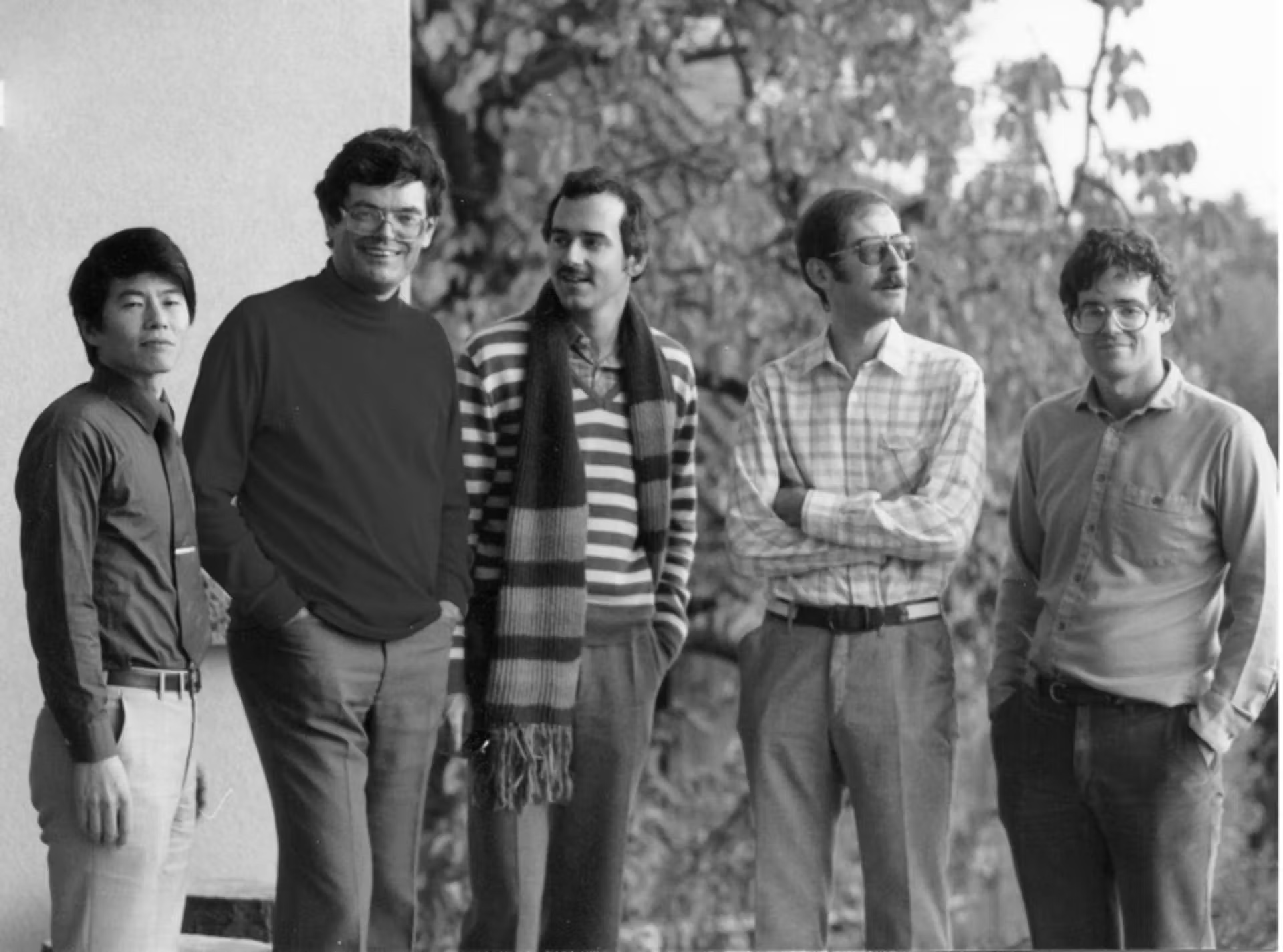
What struck me most at the time was the realization that entirely new kinds of collective behavior could emerge from ingredients that were simple once recognized. Indeed, emergence is common in a crystal when the mutual interactions between electrons are stronger than their interactions with ions—when they are strongly correlated as we say. Strong correlations are the generative tension of condensed matter physics.
In Zurich, I was taken by the topological theory of the quantum Hall effect developed by David Thouless and collaborators at the University of Washington, also later recognized with a Nobel Prize. His theory implied that non-trivial electronic topology was the essential factor behind the QHE, and magnetic fields were just one way to generate it. I could not have guessed that I would later find another way.
People wrote letters in those days. Thouless wrote out of the blue (...) Bert Halperin from Harvard dropped by and gave me some good advice. I started a correspondence with Pavel Streda from Prague, responsible for the famous Streda formula.
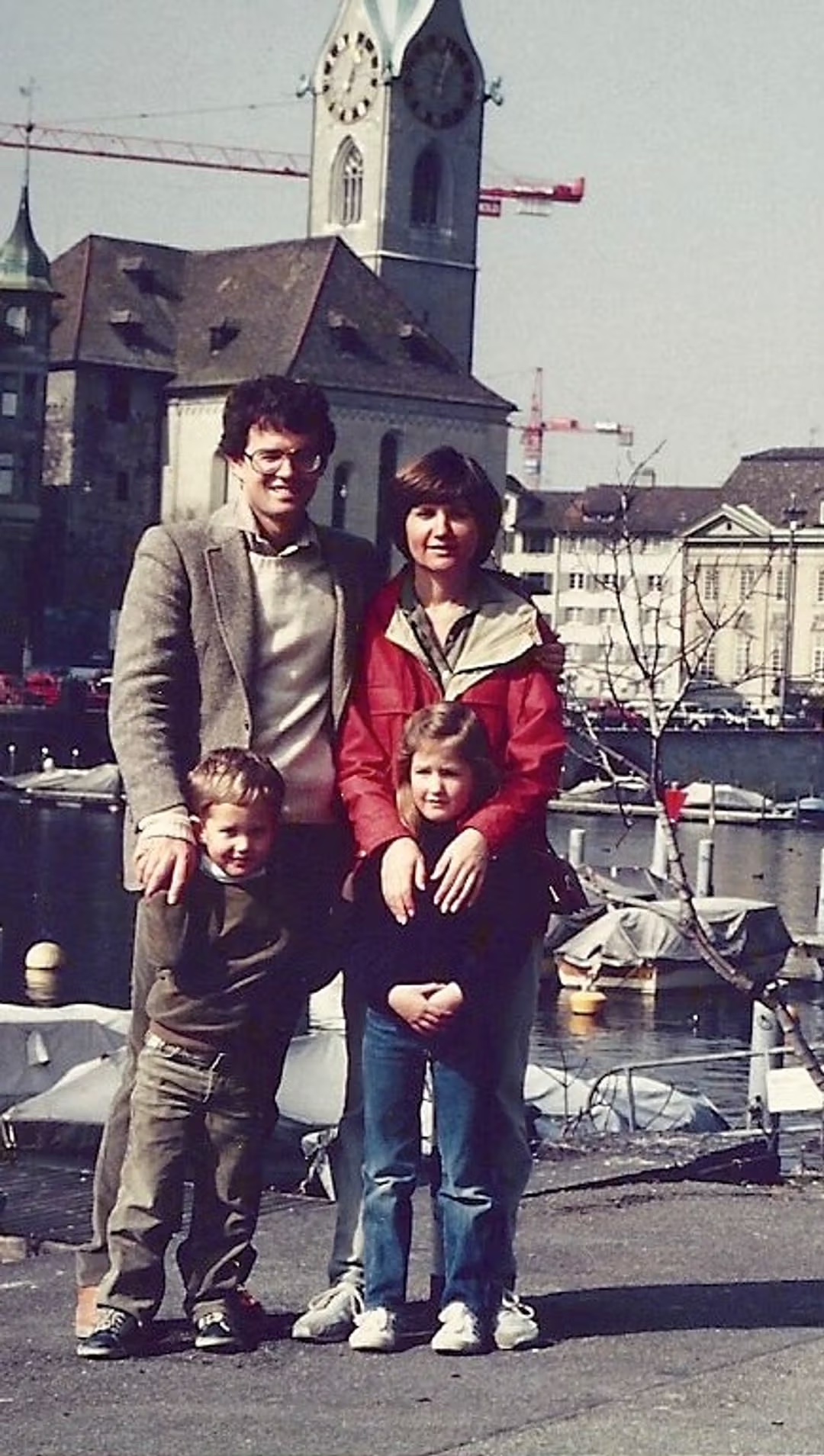
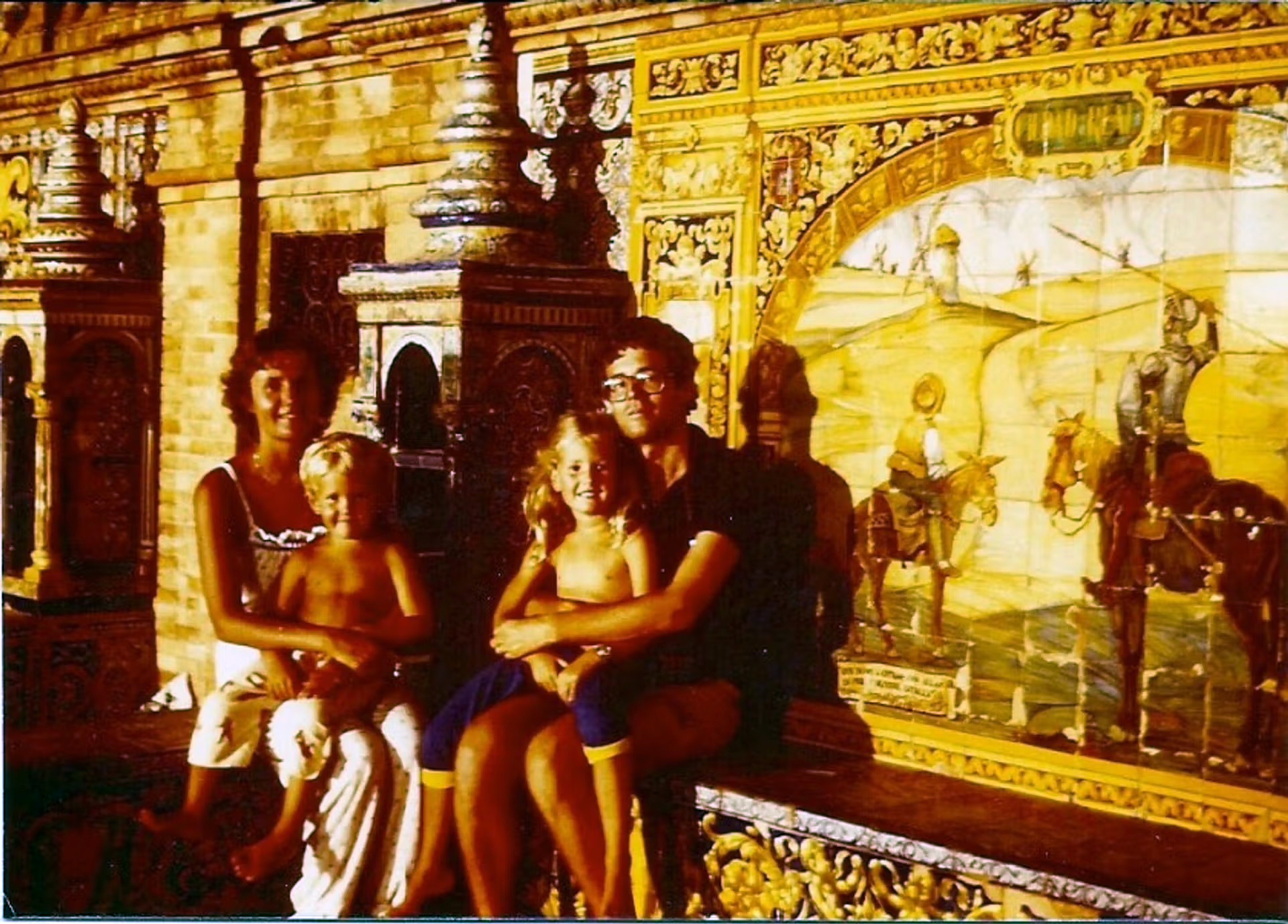
Breaking the rules of Lerchenrain 19, the ETH visitor building that was our home in Zurich, we hung a map of Switzerland on our apartment wall on which we highlighted in deep red the mountain valleys and hillsides we had explored on our weekend hikes. Lunch breaks—provisioned at the local Migros deli counter—were a highlight. A year later there were no unblemished valleys to be found on our map. It was time to return home. The four of us—our little Canadian crew—had just had the time of our lives.
Bloomington
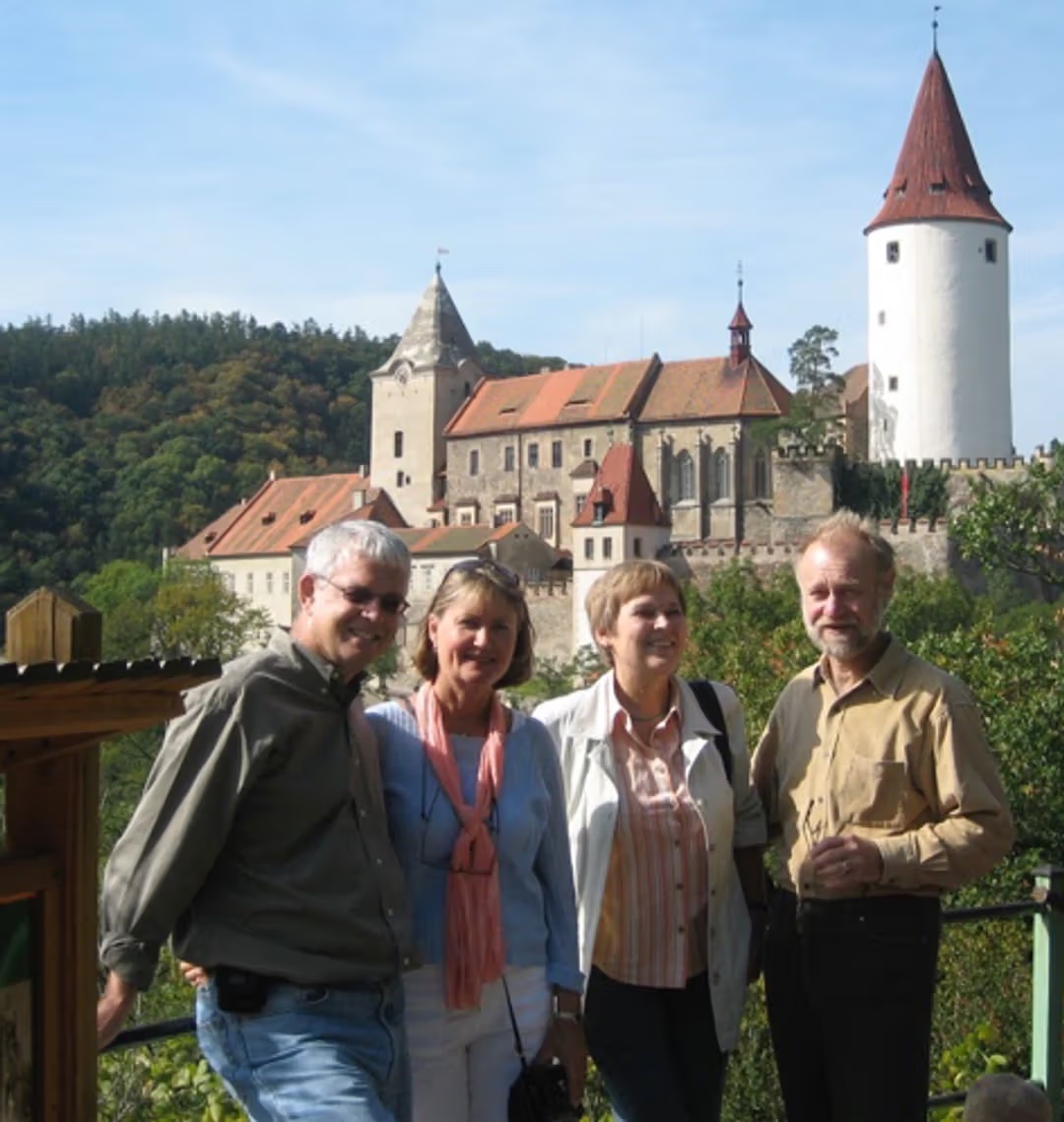
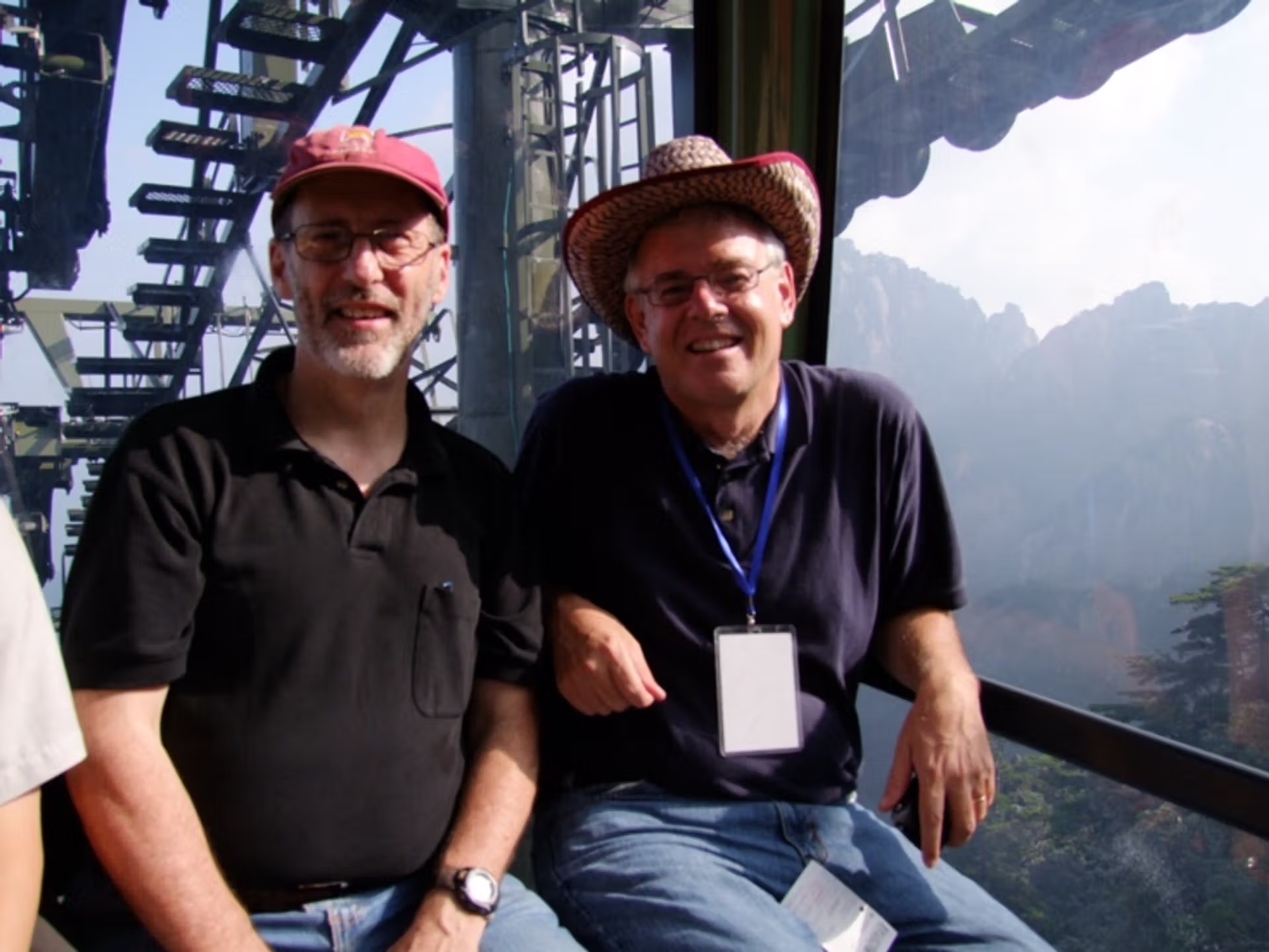
When the time came to start my own research group, Indiana University gave Steve Girvin and me the chance to continue our QHE theory collaboration by coming up with two positions in their condensed matter theory group. I arrived in Bloomington, Indiana, in August 1987. Susan and I remember settling in to Bloomington like it was yesterday—getting used to the summer swelter and the omnipresent chorus of a million cicadas while pinching ourselves that we were now actually homeowners. Bloomington was more than a professional turning point for the two of us. It was the first place where the future stopped feeling provisional. Klaus von Klitzing took an interest in my work, and I was able to spend parts of several summers at the Max Planck Institute for Solid State Physics (MPI-FKF) in Stuttgart, where I gradually became an expert on semiconductor physics. Thanks mainly to interactions with Steve Girvin, I was able to broaden my knowledge of theoretical physics writ large. Looking back, I realize that the good luck that was now falling my way in bunches was something very specific—it was that of being surrounded by people who were always open to new ideas. It was the good fortune of living the life of a working scientist.
Austin
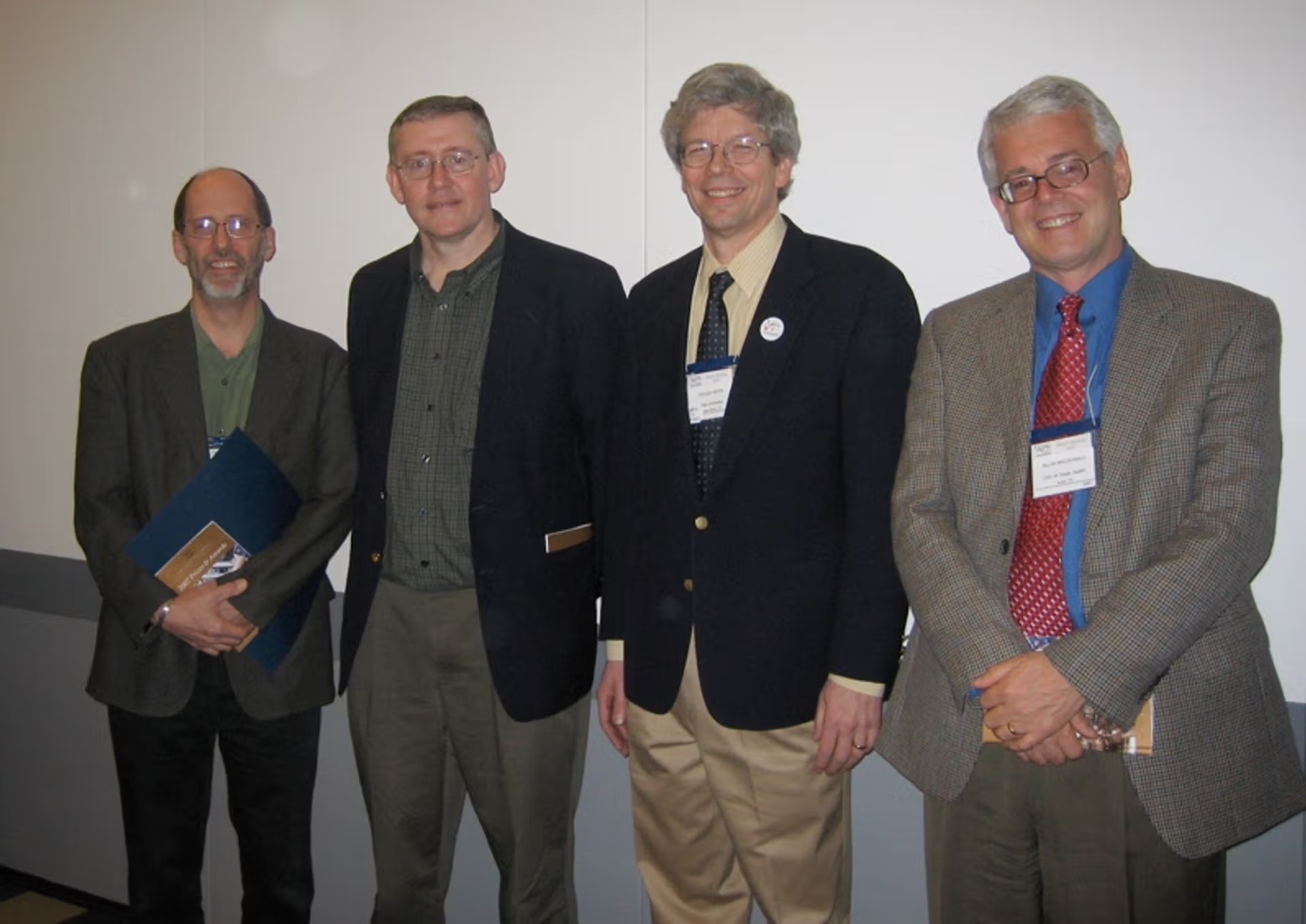
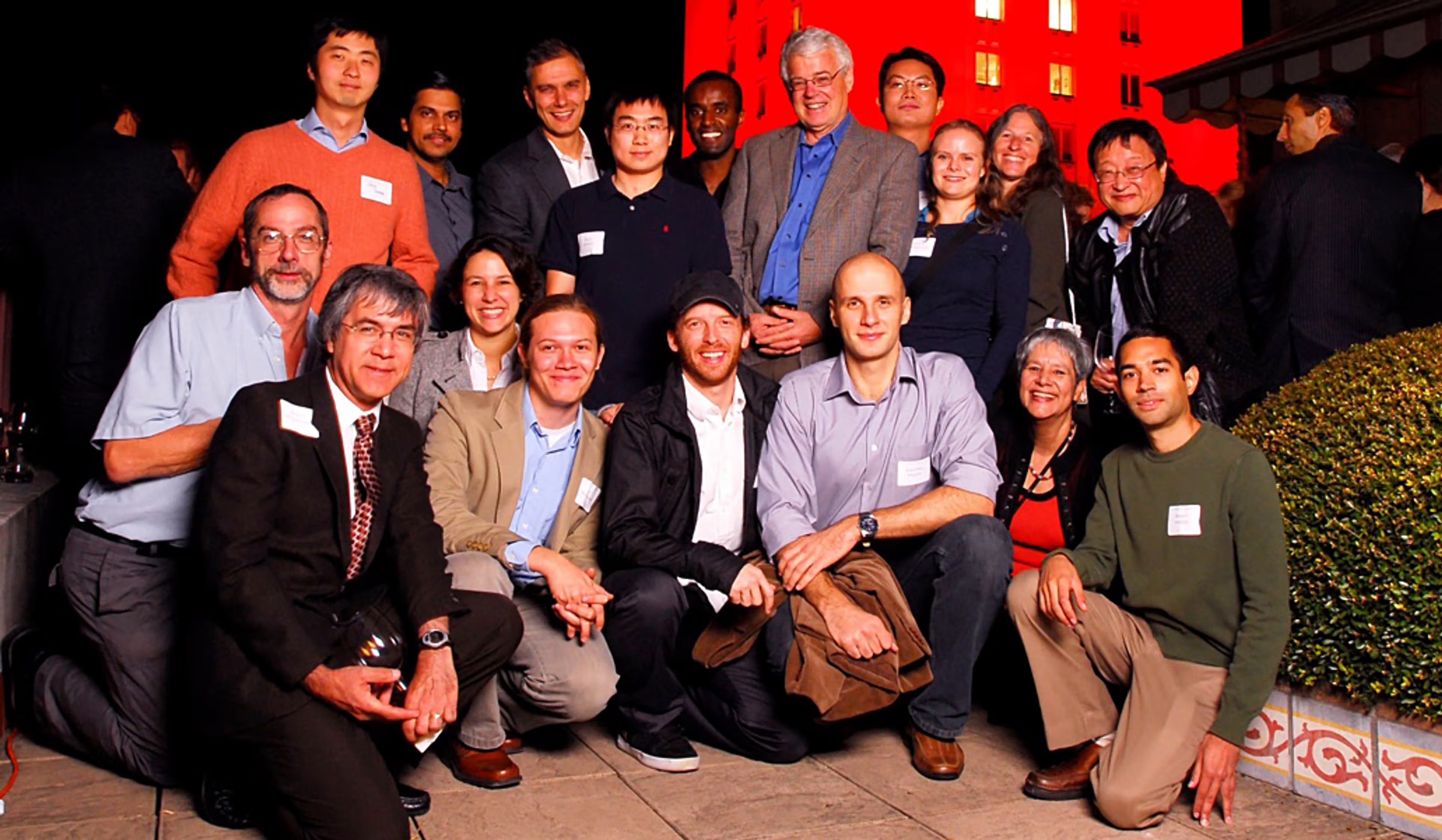
I was recruited to the University of Texas at Austin by Qian Niu who had been a student of David Thouless and was an expert on the topological theory of the quantum Hall effect. Very quickly after we arrived in August 2000 a team of able postdocs and lively graduate students formed around us. Tomas Jungwirth arrived from Prague and was joined by Jairo Sinova. Soon after Marco Polini arrived from Pisa and Rembert Duine from Utrecht—establishing a powerful team. We continued our work on magnetic semiconductors and, in collaboration with Qian Niu, developed a quantitatively predictive explanation for the anomalous Hall effect, the no-magnetic-field cousin of the Hall effect discovered in the 19th century that appeared only in magnetic conductors. In work that has a thread back to Austin, Tomas and Jairo and their students and collaborators would later develop the theory of altermagnetism—now a new topic in the venerable field of magnetic materials. We continued to work on experimental puzzles, which are always abundant in my field, powered for a time by a series of Spanish postdocs educated mostly at the Universidad Autónoma de Madrid and later by another group educated at USTC in Hefei. Pablo Jarillo-Herrero, a friend of postdoc Joaquin Fernandez-Rossier and a master’s student at UCSD, dropped by to introduce himself and explain what he was doing. Our blackboard list of experimentally established phenomena that we did not understand - mysteries to ponder and food for our souls—grew longer and longer.
The idea that twisted bilayers should be viewed as tunable artificial crystals was shaped for me by earlier experimental work in Stuttgart that had attempted to achieve the same trick in semiconductor quantum wells. I was convinced that the moiré materials idea was flexible and powerful. Bistritzer and I realized that twisted bilayer graphene could be accurately described by an exceedingly simple model. We also realized that moiré materials can be strongly correlated. In the twisted graphene case, we found that correlations became strong at a specific set of twist angles between the layers—which we dubbed the magic angles. Working with colleague Emanuel Tutuc and a brilliant graduate student from USTC, Fengcheng Wu, we applied the moiré material idea to another class of 2D materials—transition metal dichalcogenides (TMDs). We found that when the two layers were made from distinct TMDs (heterobilayers) we could simulate the familiar physics of strongly correlated oxides. When the two TMD layers were the same (homobilayers), something unexpected happened—the energy bands of the moiré materials became topologically non-trivial. Now we had a way to generate strongly correlated topological materials, the sine qua non of the QHE and the FQHE, at will. No magnetic field needed.
We just had to wait a bit for our brilliant experimental colleagues to learn how to prepare high quality twisted flakes of 2D materials with well controlled twist angles, something they accomplished with style and continue to refine. The first compelling observations of strong correlation behavior in magic angle twisted bilayer graphene were made by Pablo Jarillo-Herrero, by then a professor at MIT. The physics of moiré materials is now being explored worldwide, and discoveries of previously unseen collective quantum behavior have become increasingly common.
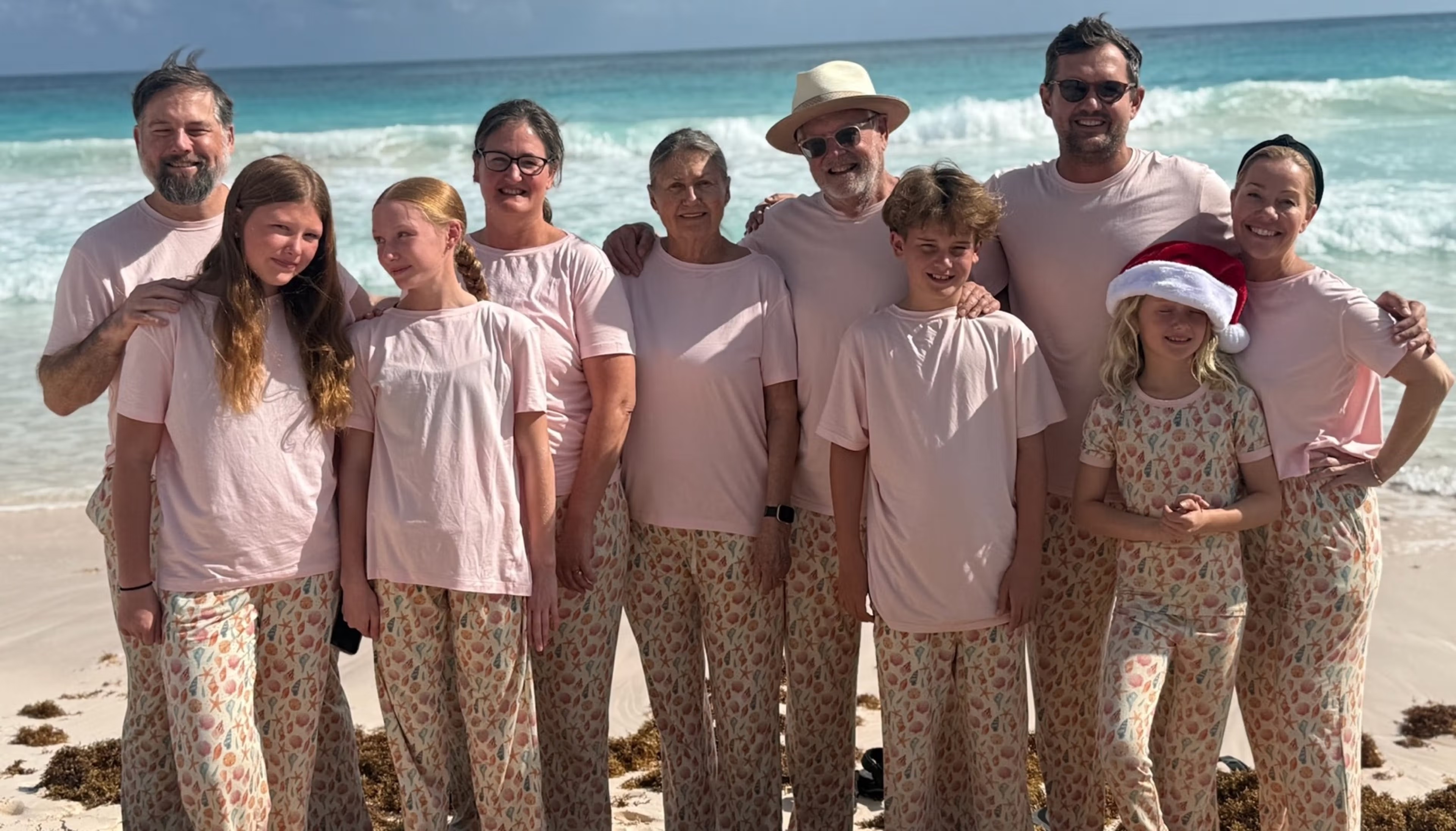
My path has brought me into contact with countless remarkable people—mentors, colleagues, students, and postdocs. Nearly 50 of my former graduate students and postdocs are scientists at universities and research labs around the world. All have been my teachers more than the other way around.Watching them develop ideas that are beyond anything I could have imagined, an increasingly common occurrence, has been among the deepest satisfactions of scientific life.
The secret sauce of science
I credit my long life in science to the openness of global scientific culture, which keeps an ear open for interesting ideas from unexpected directions. That openness is the secret sauce of science. As you read these words there are many thousands of young people in Jimtowns around the world, in high schools sparkling and drab, in universities famous and obscure, and in countries rich and poor, preparing to place new rocks on the immense mountain of knowledge that is modern science. Those who shut themselves off from that global effort will be diminished—I most certainly would have been if I had not had so many opportunities to interact with scientists from cities and towns around the world. As I look to the future, I hope that scientists and academic, technology, and political leaders the world over will work together to maintain the openness of fundamental scientific research, in the first place because it is an extraordinary part of human culture, but also because it just may save us.