Kenneth W. Gentle |
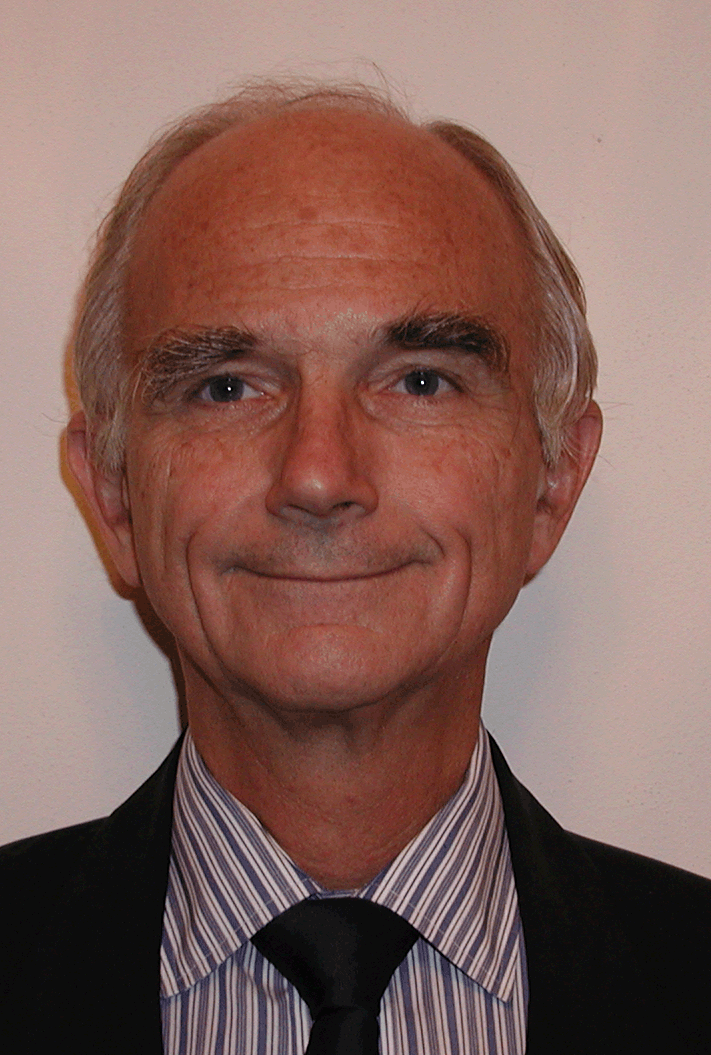
Kenneth William Gentle was born in Oak Park, Illinois to William and Cathryn Mary Spence Gentle. Ken's father was born in Edinburgh, Scotland. Following service in the British Army in WWI, he moved to US in 1922. An engineer, he worked for HotPoint Division of General Electric. Ken's mother, Cathryn was born in Peterhead, Scotland and came to the US in 1921.
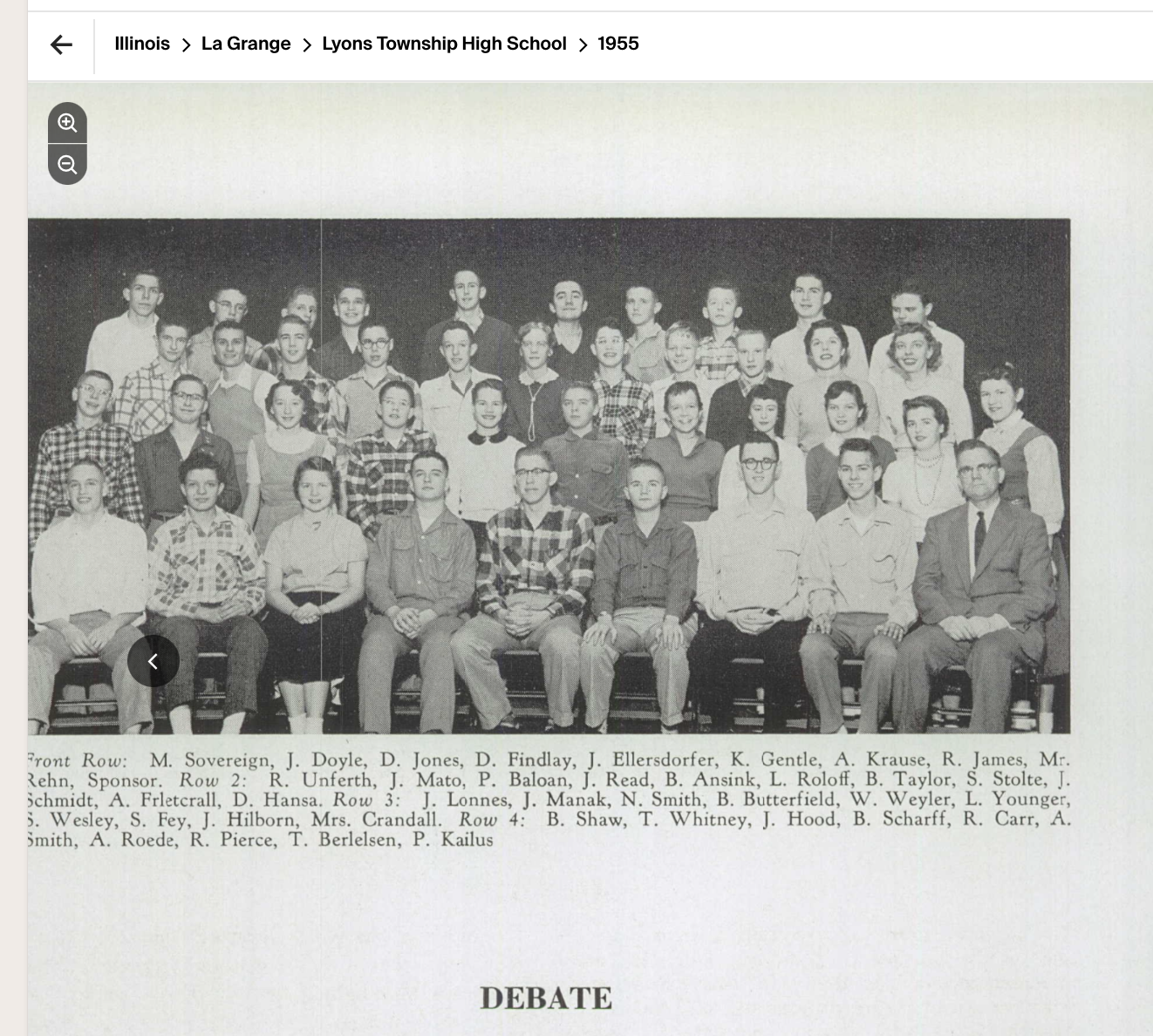
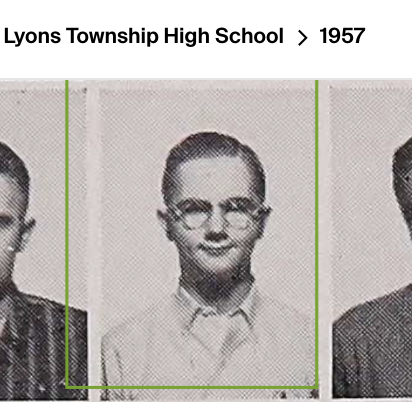
Ken attended Lyons Township High School in La Grange Park, IL where he was an outstanding student.
Dr. Gentle attended the Massachusetts Institute of Technology, receiving an S.B. (1962) and Ph.D. (1966) in physics. He continued as an instructor there in 1966. He was appointed Assistant Professor of Physics at the University of Texas at Austin in 1966, Associate Professor in 1970, and Professor in 1976. He received an Alfred Sloan Fellowship for 1973-75. He was appointed Josey Professor of Energy, 1986-88.
Since 1966, he has been engaged in a variety of experiments on nonlinear plasma waves, weak plasma turbulence, strong plasma turbulence, and tokamak confinement physics. In 1973, he assumed leadership of the first tokamak experiment at the University of Texas. In 1976, he initiated the TEXT Tokamak project, serving as director until 1985. He received a Department of Energy Certificate of Appreciation for this work in 1985. He continued to work on TEXT, engaging in a number of experiments on transport and heating, until the completion of the project in 1996. He has also conducted particle transport experiments on ASDEX as a guest of the Max Planck Institute for Plasma Physics, Munich, in a collaboration begun in 1986. His current transport research involves experiments using the tokamak facilties at MIT, General Atomics *San Diego), and JTEXT (the reconstruction of TEXT at Huazhong University of Science and Technology in Wuhan, China), as well as basic turbulence experiments on the Helimak at the University.
He has served on a number of advisory committees and review panels for the National Academy of Sciences, National Science Foundation, and Department of Energy. In 1989, he served on the Foreign Applied Sciences Assessment Center panel assessing the West European magnetic fusion program, writing the chapter on tokamaks. He was chairman of the physics department from January, 1997, to January, 2001, and he was Director of the Fusion Research Center until August, 2010. He is a Fellow of the American Physical Society and a member of the European Physical Society and the American Association for the Advancement of Science. He received the International Scientific and Technological Cooperation Award of the People's Republic of China in 2004.
Research
His personal research has concentrated on questions of particle and electron transport, perhaps the least understood of the transport channels.
Kenneth W. Gentle from the University of Texas, Austin, was awarded the status of Fellow[1] in the American Physical Society,[2] after they were nominated by their Division of Plasma Physics in 1996,[3] for his pioneering experiments on wave-particle and wave-wave interactions which have illuminated the fundamental nonlinear phenomena in collisionless plasmas, and for his leadership in the development of experiments which directly measure the fundamental processes of transport in Tokamak plasmas.
Kenneth Gentle
Research Interests
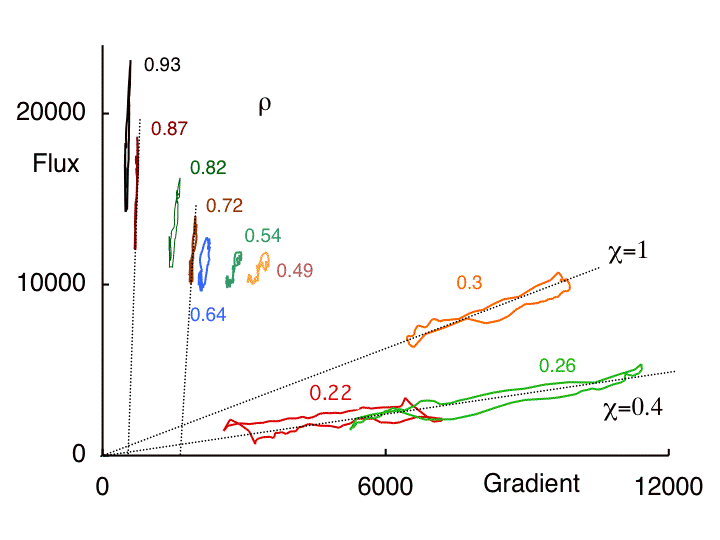
My personal research has concentrated on questions of particle and electron transport, perhaps the least understood of the transport channels. Electron transport is especially challenging because it does not seem to be diffusive -- the thermal flux is not proportional to the temperature gradient. One example of this is shown here, in which the variation in thermal flux can be measured as a function of the change in temperature gradient using modulated heating -- Electron cyclotron heating on DIII-D in this case.
Results are shown for various normlized radii -- 0 at the center, 1 at the edge. In the core, transport is diffusive, but in the outer half of the plasma, transport is "stiff", the flux varies rapidly with gradinet and has a clear offset from zero. . Transport Article
Another example of peculiarity in the electron channel is the "cold pulse", in which rapid cooling of the edge can produce a cooling transient that disappears as it moves toward the core and then inverts to cause temperature increases in the core. This cannot happen with any sort of simple diffusion equation.
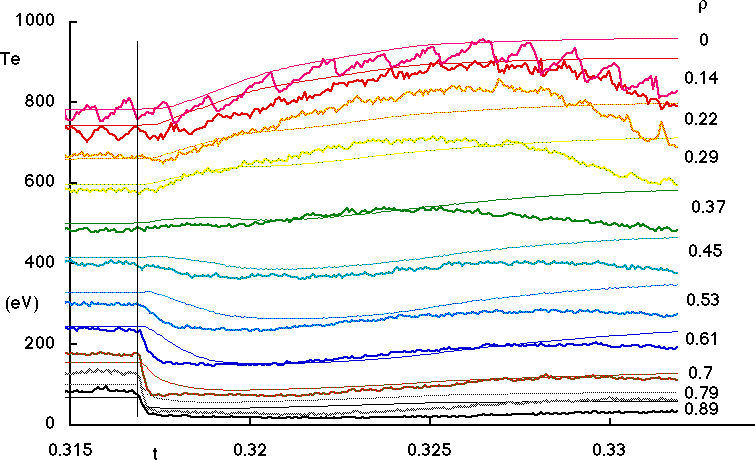
However, it is possible with suitably coupled diffusion equations. The smooth, fine lines in the plot are from a model of coupled electrons and ions in a nonlinear critical gradient model. Both electron and ion transport are sensitive to the electron-ion themperature ratio and carefully adjusted to match the experiment. The outstanding question is whether such a coupling is consistent with other aspects of electron and ion energy transport.
I am also conducting experiments on a device here, the Helimak. This is a model system for study of turbulence in a magnetized plasma. It offers a simple geometry, essentially one-dimensional, but one in which the generic turbulence of hot magnetized plasmas occurs in a controlled fashion. The operating parameters are chosen to facilitate detailed turbulence measurements. The device permits control and variation of many of the key parameters of the theory, including magnetic curvature, magnetic shear, and flow shear.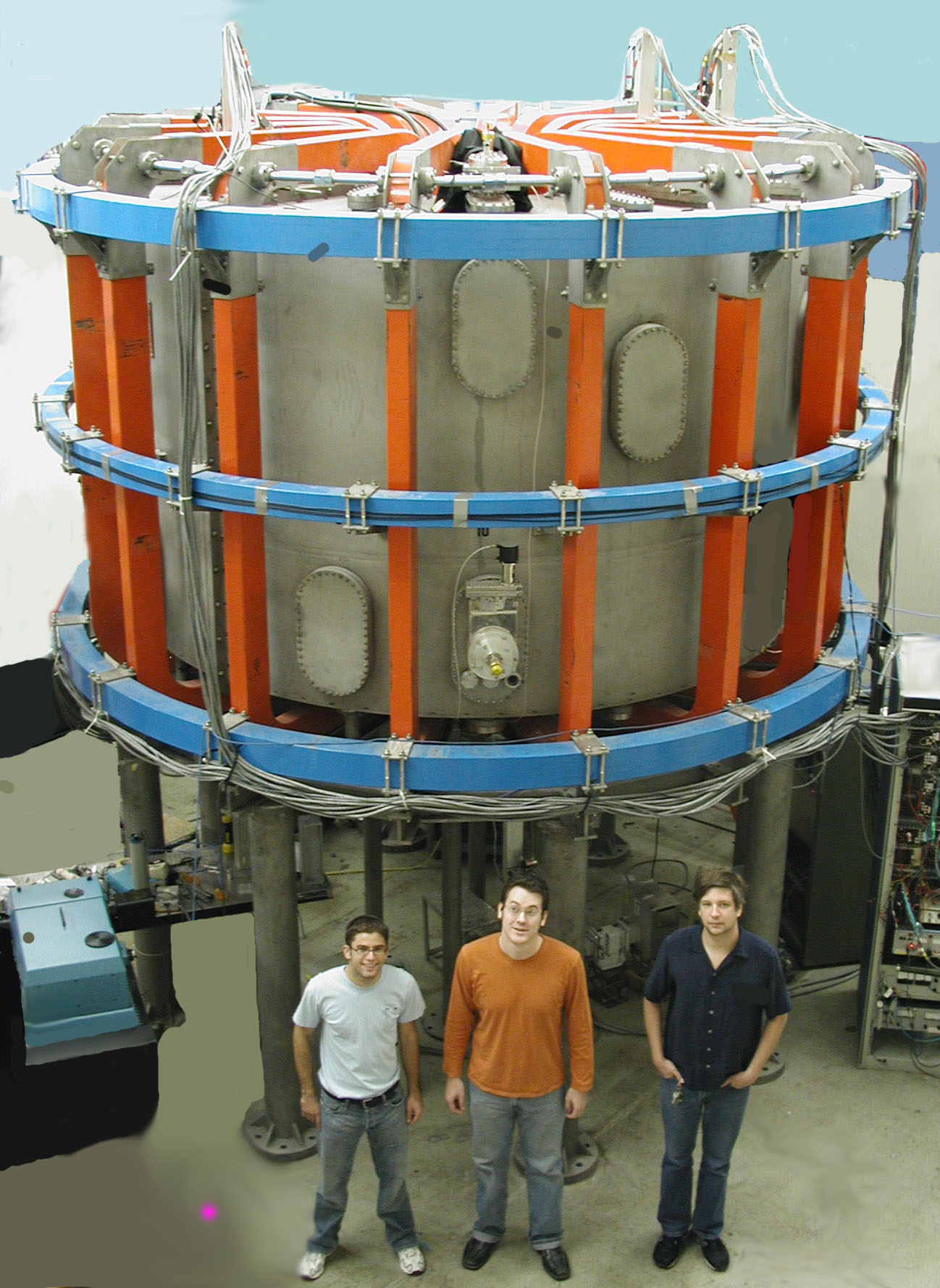 For example, recent experiments have shown the applying radial bias of sufficient magnitude can stabilize the turbulence. The operating parameters can also be chosen to model the scrape-off layer of confinement devices.
Plasmas with comparatively low density and temperature are often used to model phenomena in fusion-grade plasmas under conditions that can be more thoroughly measured. The Helimak is unique among these for its size, which is important because the machine and plasma are large compared with the scale size of the plasma -- n/(dn/dr) -- and turbulence. The turbulence is therefor not dominated or strongly constrained by the boundaries. The origins and beginning of the project are described in the Helimak Presentation in pdf. The Texas Helimak is a technical paper describing the device, and the Bias Experiment is described in another paper. A selection of presentations at meetings includes TTF2012, DDP2012, and TTF2013. There is also a brief Movie of the device and a plasma discharge.
| Ken Gentle Photo Album | |
|---|---|
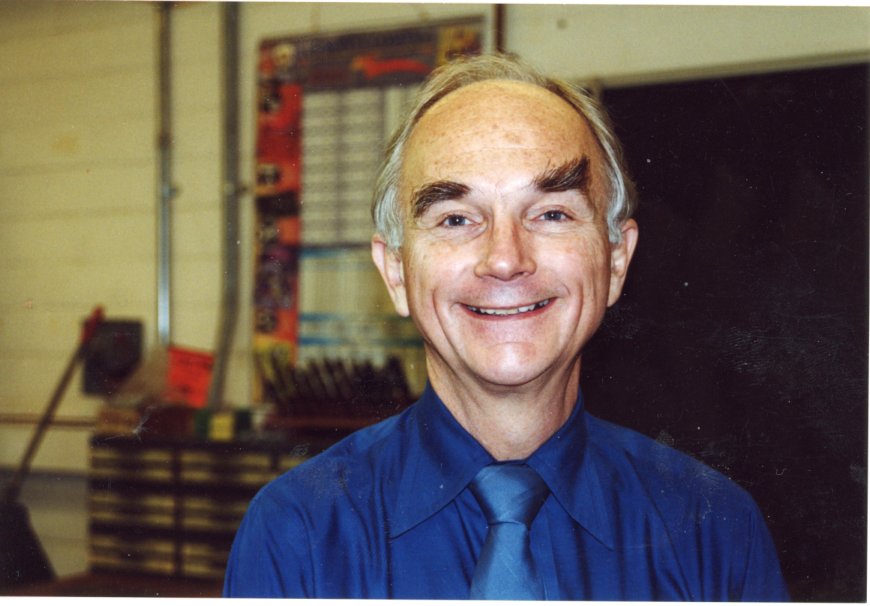
Ken Gentle (photo courtesy of Jack Clifford) |
|
|
|
|

|
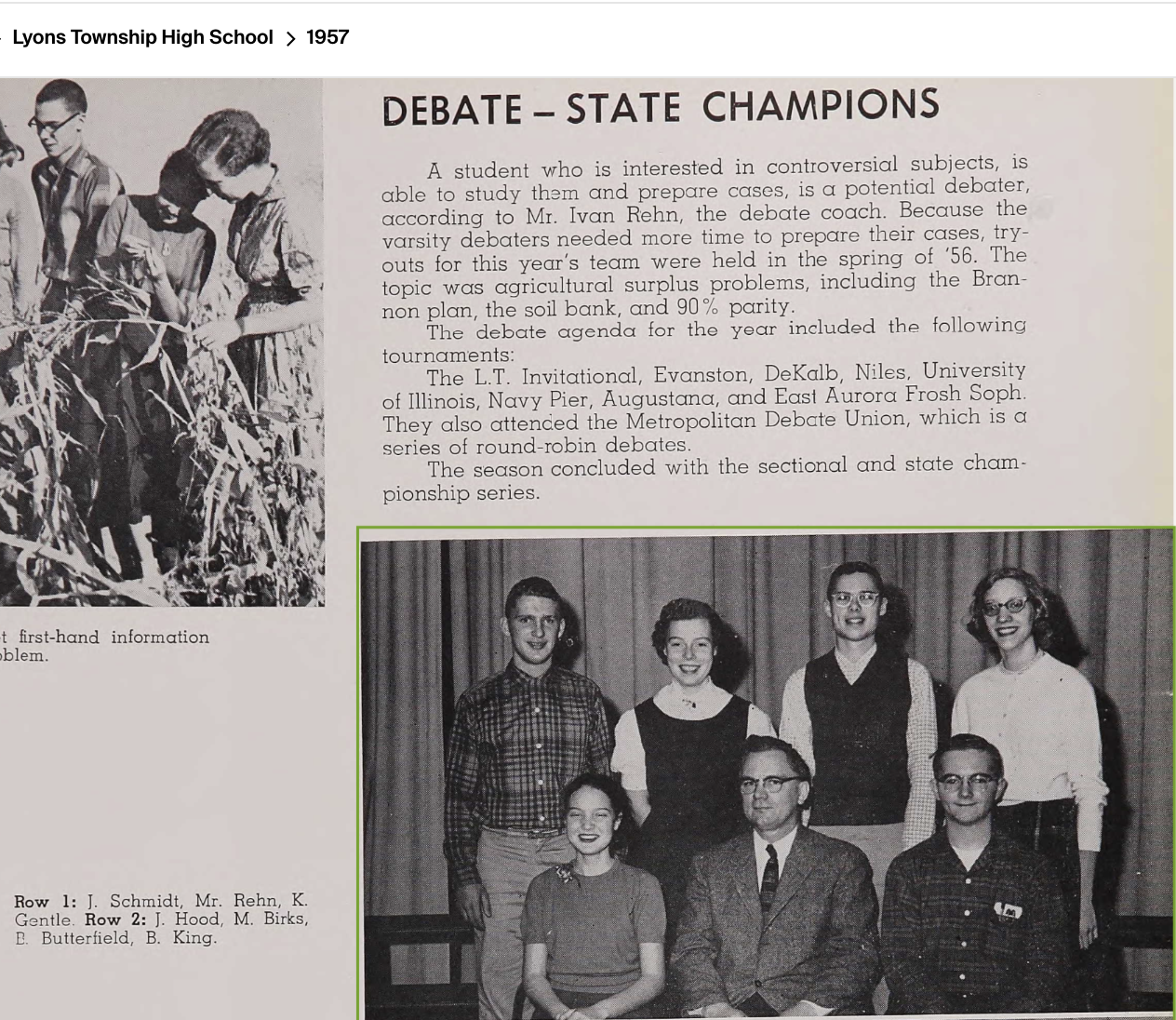
Ken Gentle, Lyons Township High School, Debate Team, 1957
|
|
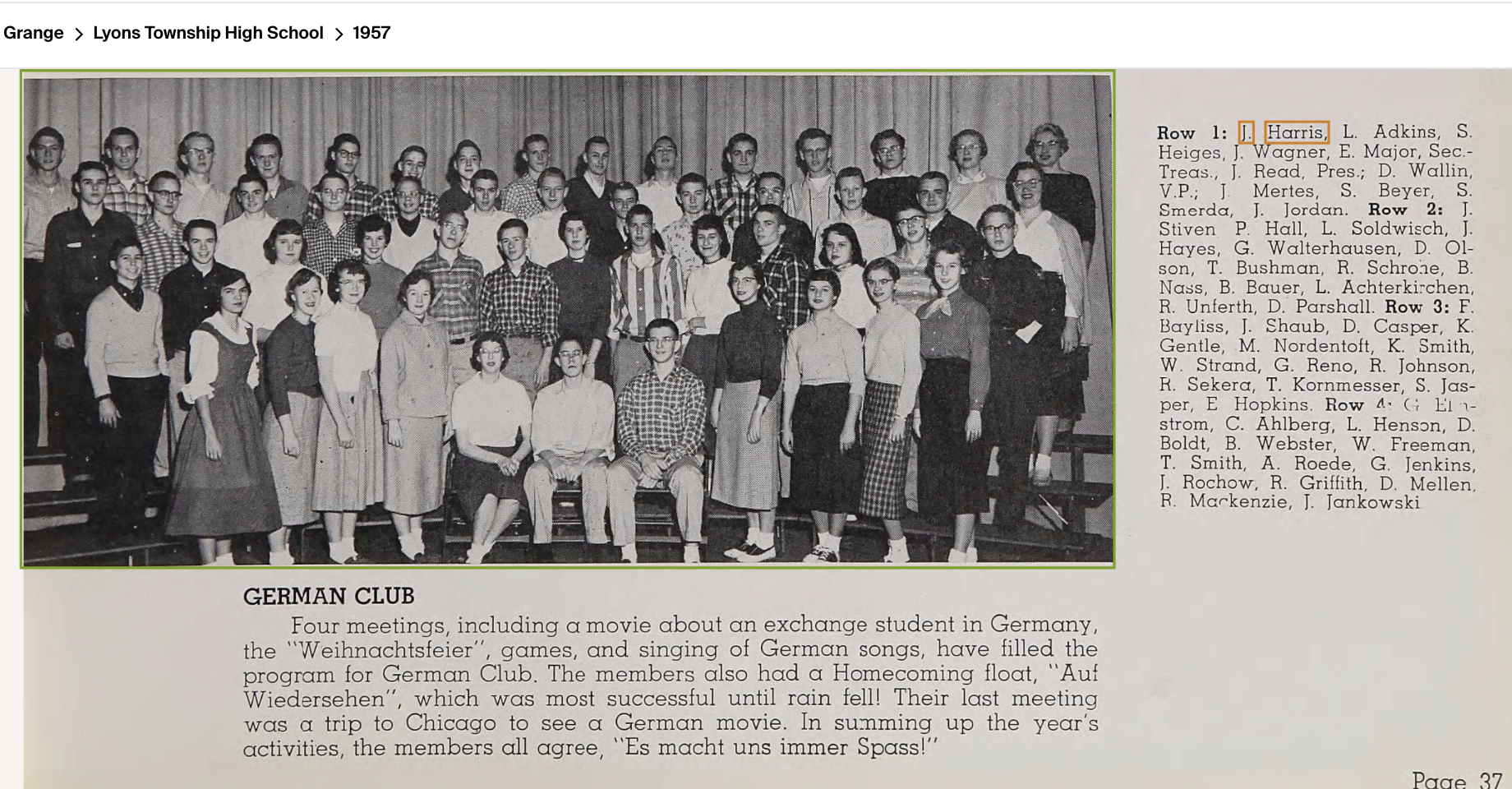
Ken Gentle, 4th from left, 3rd row, German Club, Lyons Township High School, 1957 |
|
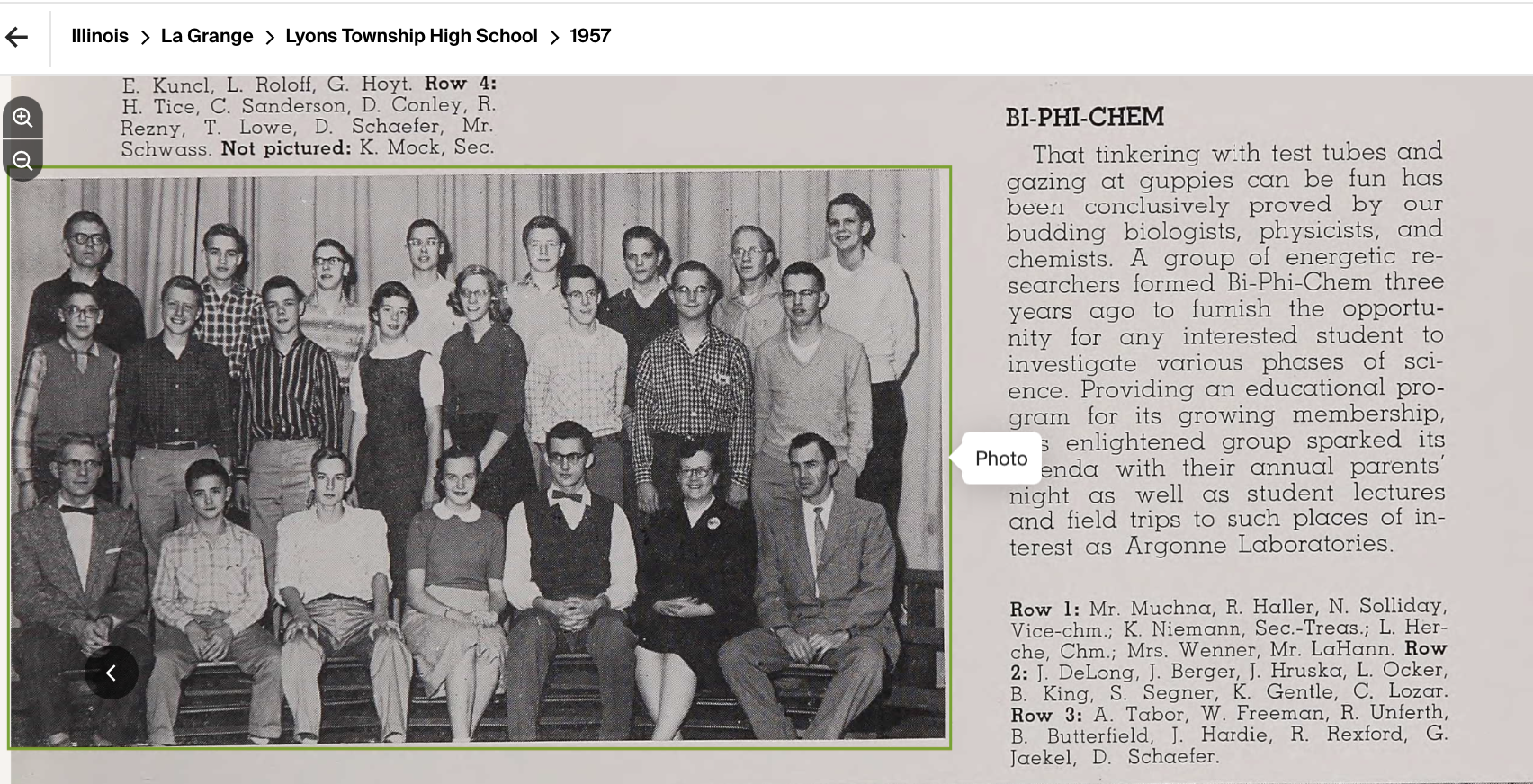
Ken Gentle, 2md from right, 2nd row, Chemistry Group, Lyons Township High School, 1957 |
|
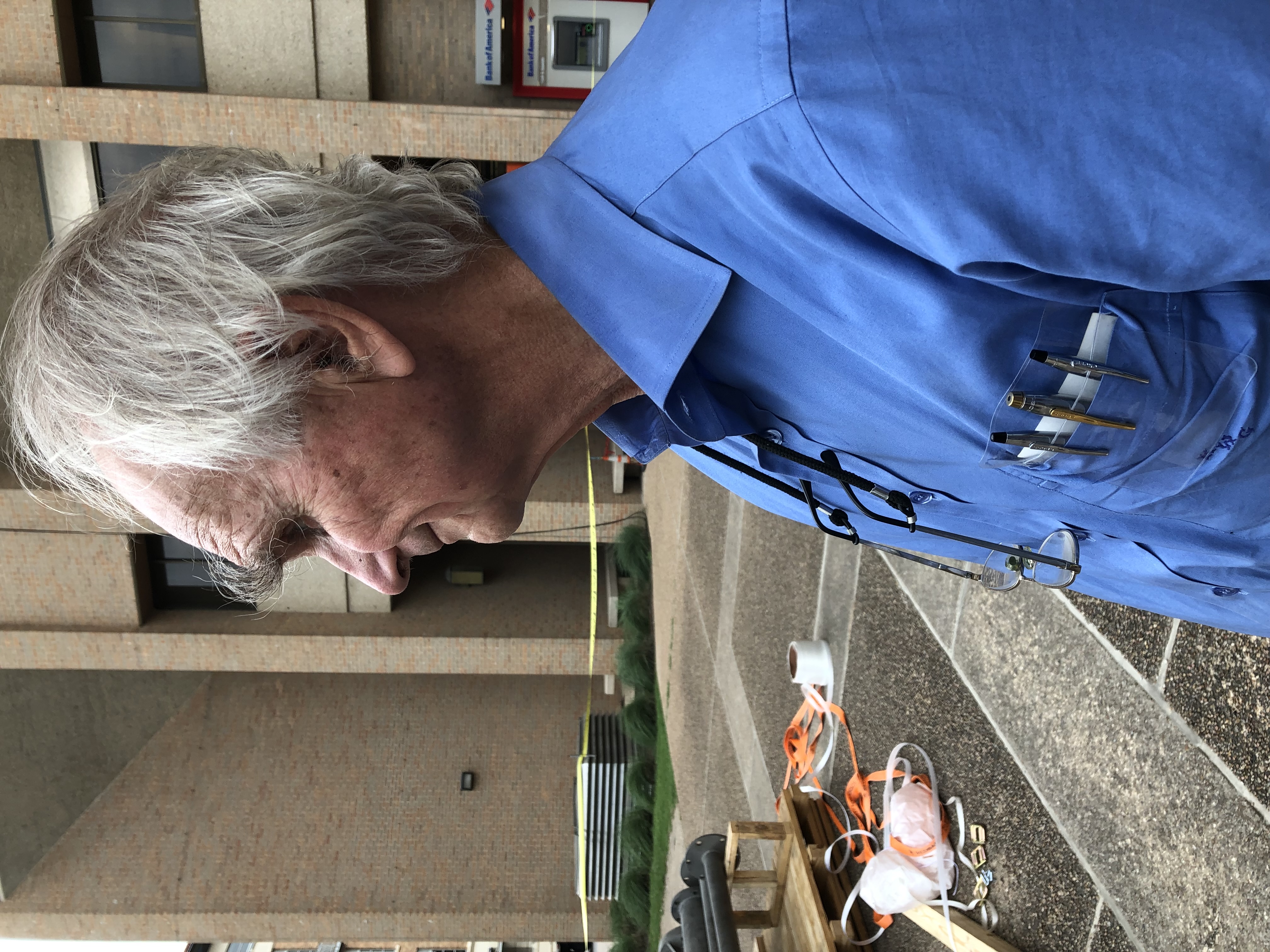
Ken Gentle, overseeing removal of Helimak |
|
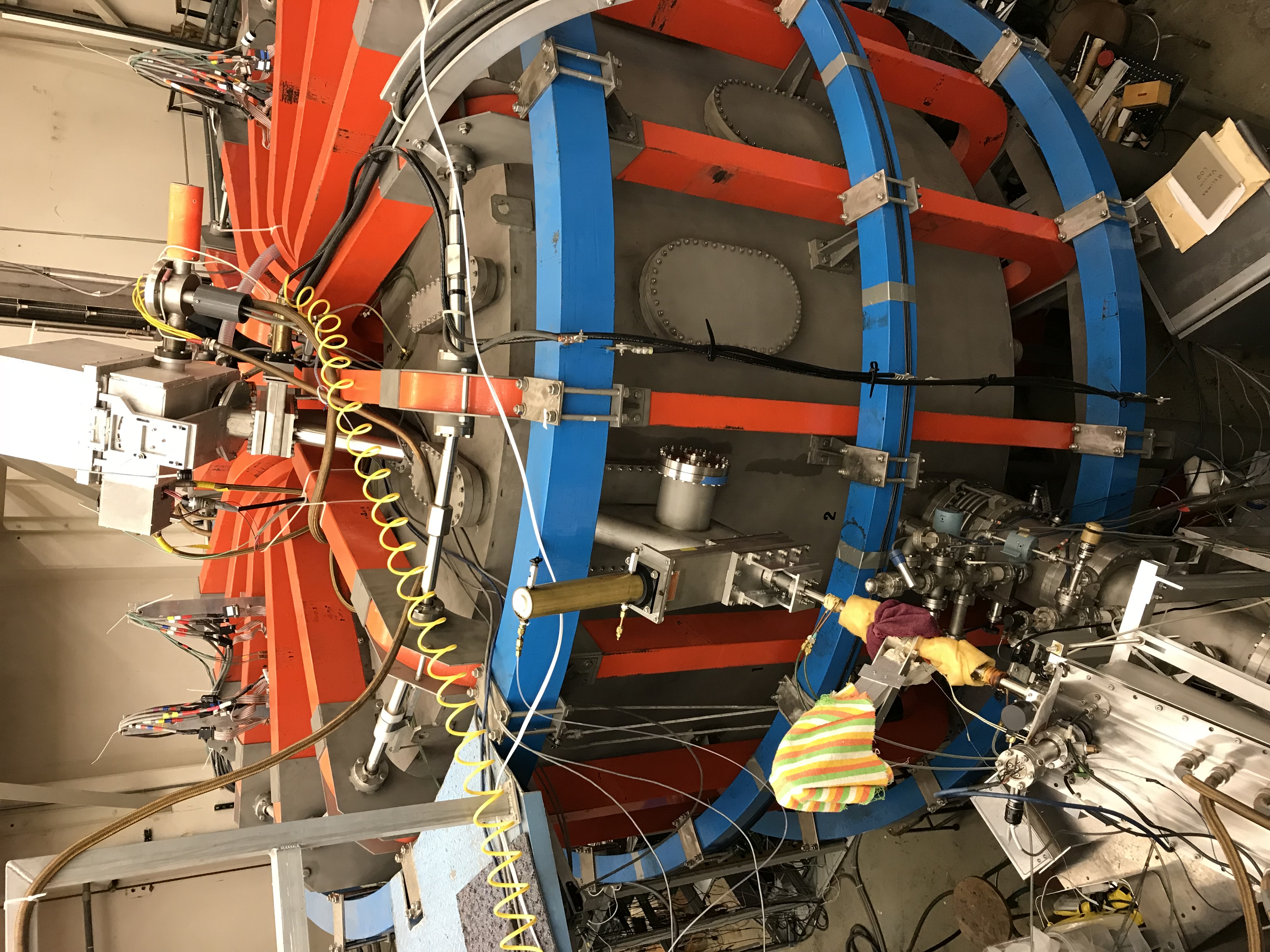
Helimak |
|
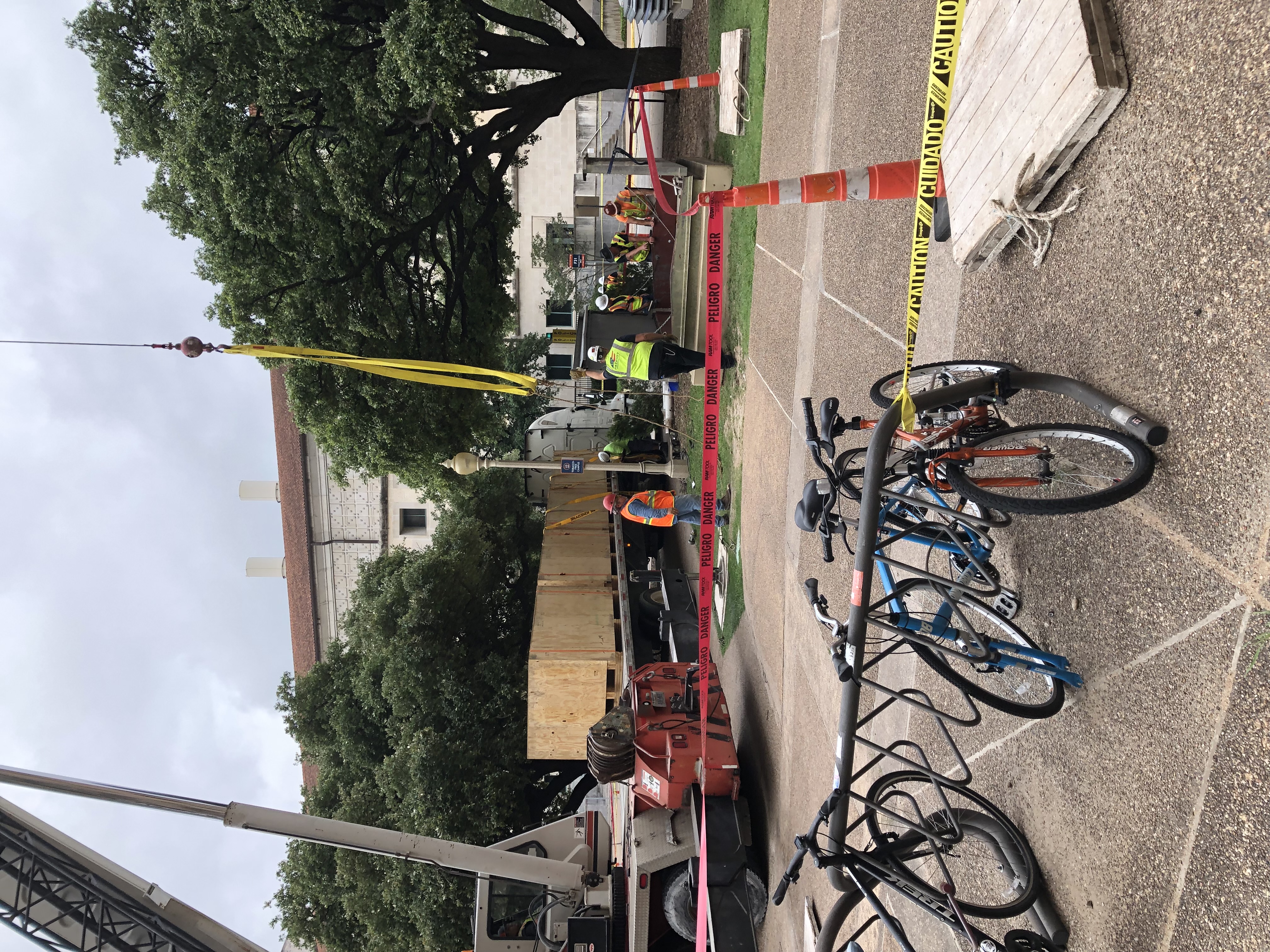
Helimak Removal |
|
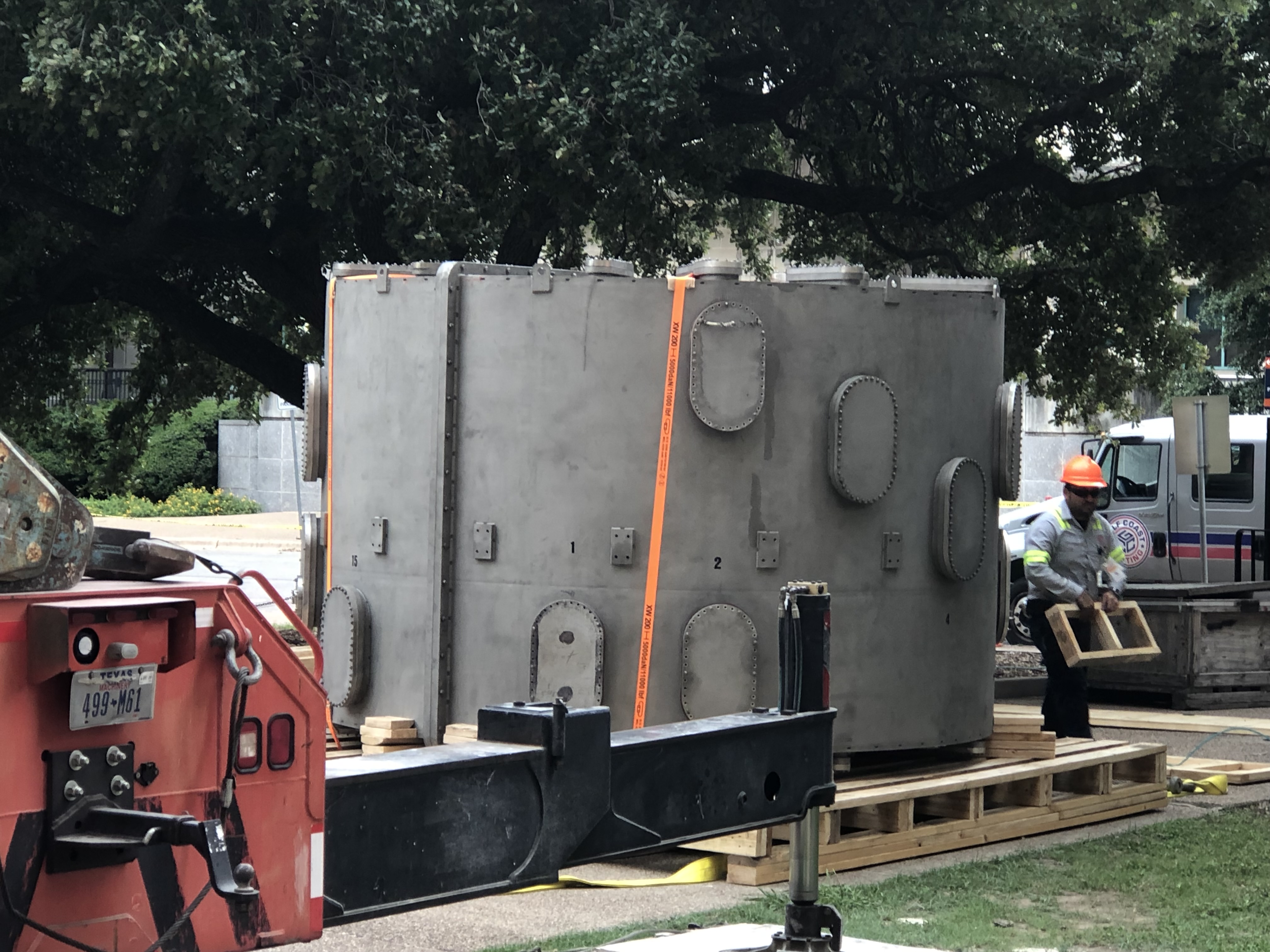
Helimak |
|
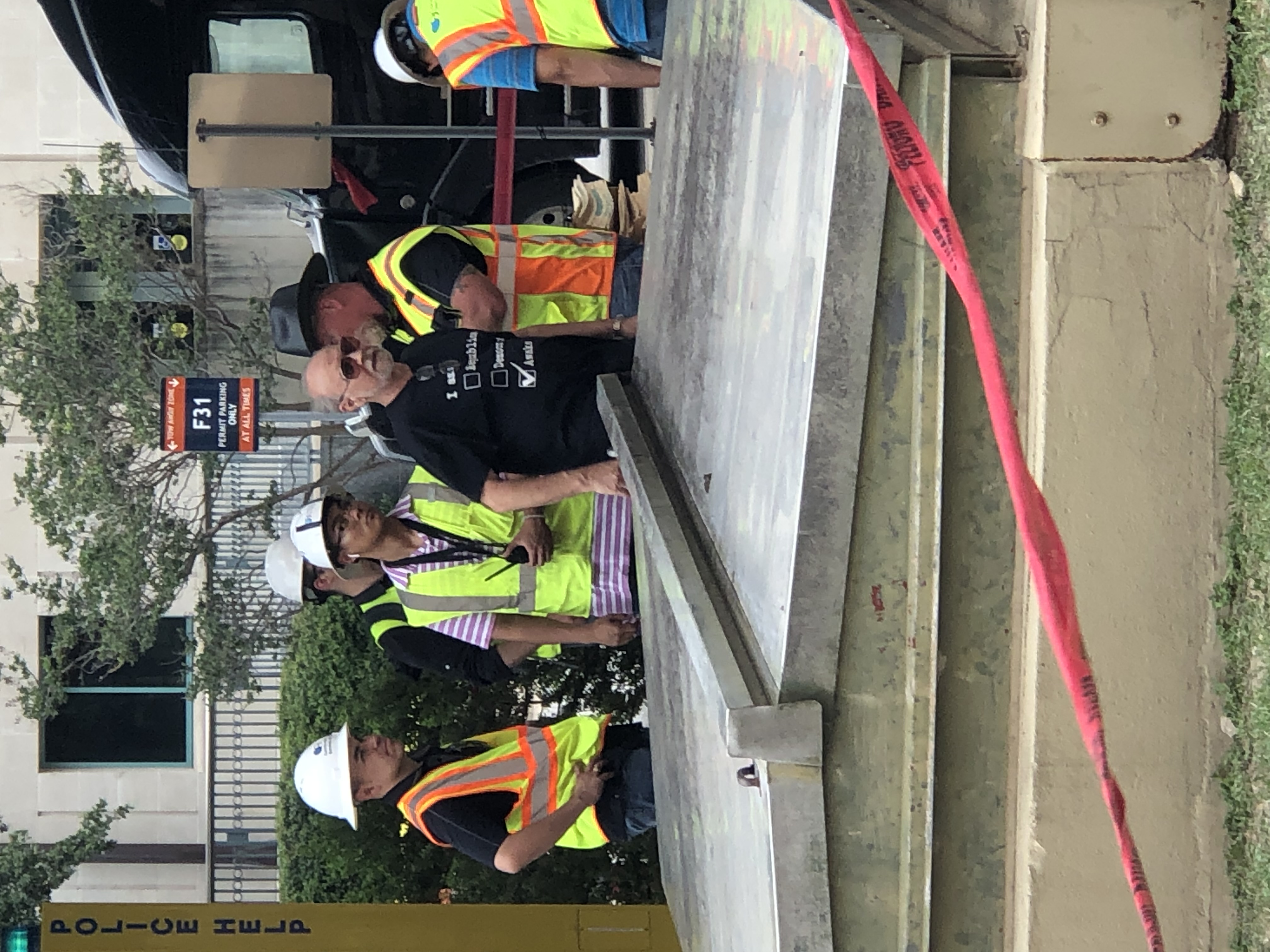
Keith Carter and removal crew. |
|
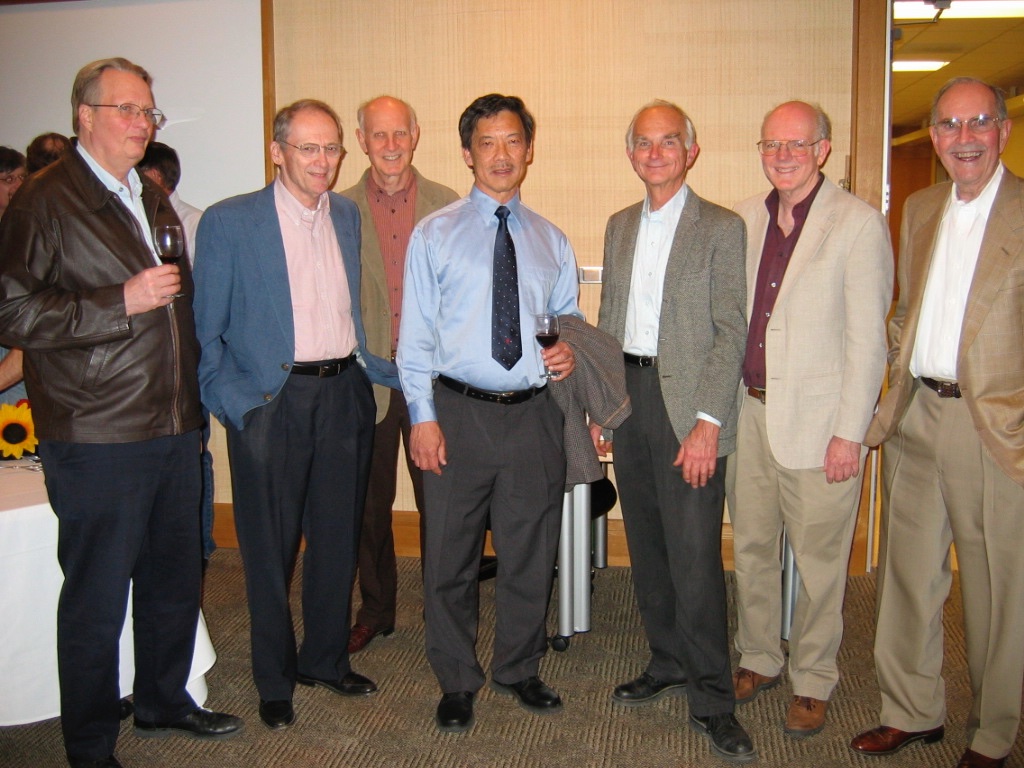
Roger Bengtson, Dave Ross, Mel Oakes, Vernon Wong, Ken Gentle, Wendall Horton, Bill Drummond, Vernon Wong retirement party. |
|